



America’s love affair with pickup trucks shows no sign of slowing down, but 2026 has been an unusually interesting year for the segment. Automakers are bringing back big V8 power, turning small pickups into legitimate performance machines, pushing prices down with new electric models and adding serious off-road hardware to established nameplates. From the 777-hp Ram 1500 Rumble Bee SRT to the radically affordable Slate EV, here are five pickup trucks that have stood out this year for very different reasons.
Most Interesting Pickup Trucks Of 2026
2027 Ram 1500 Rumble Bee SRT

Ram created plenty of controversy when it announced that the long-running 5.7-liter HEMI V8 would disappear from the 1500 lineup after 2024. The twin-turbocharged Hurricane inline-six that replaced it delivered better efficiency, stronger performance and impressive towing capability, but that did little to quiet buyers who wanted their V8 back. Ram eventually brought the 5.7-liter HEMI back for the 2026 model year, complete with a “Symbol of Protest” badge on the front fenders.
Then came something even more interesting.
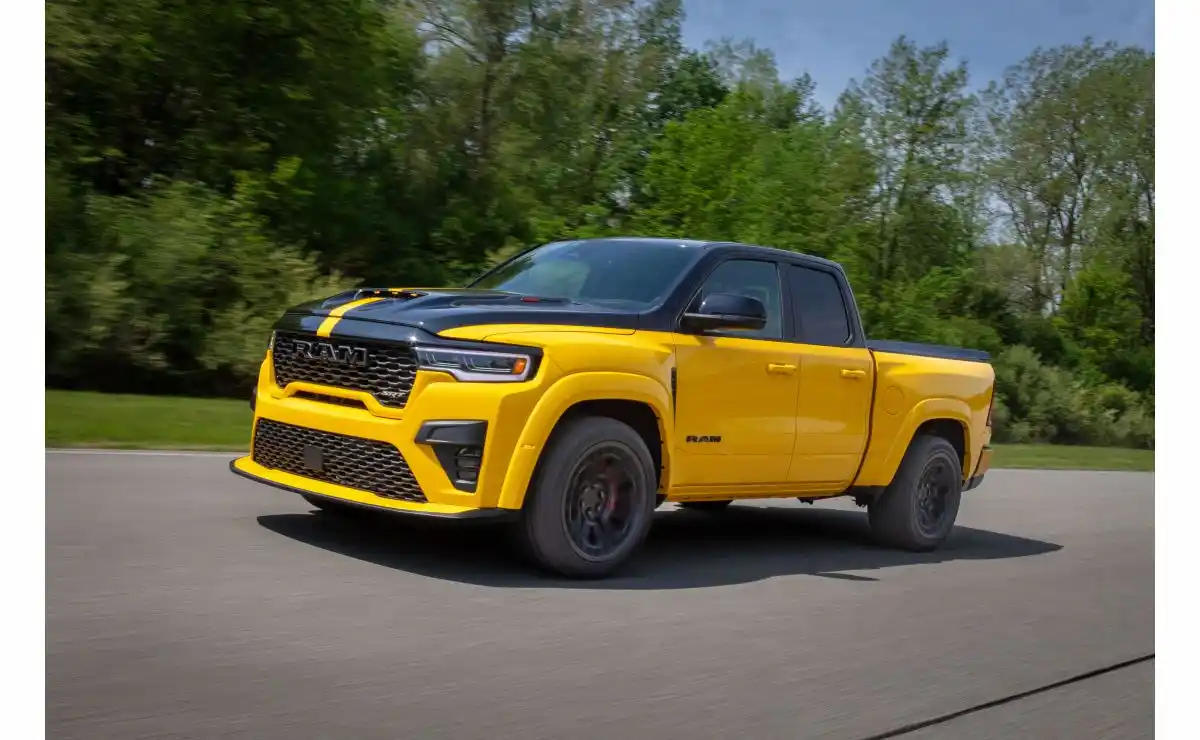
The 2027 Ram 1500 Rumble Bee SRT brings back the supercharged HEMI V8 that made the previous TRX such a monster. This time, however, Ram has built the truck for the roads rather than the trail. The engine produces 777 hp and 680 lb-ft of torque, up from the 707 hp and 650 lb-ft produced by the TRX. Ram claims that the output makes the Rumble Bee SRT the most powerful in its classs.

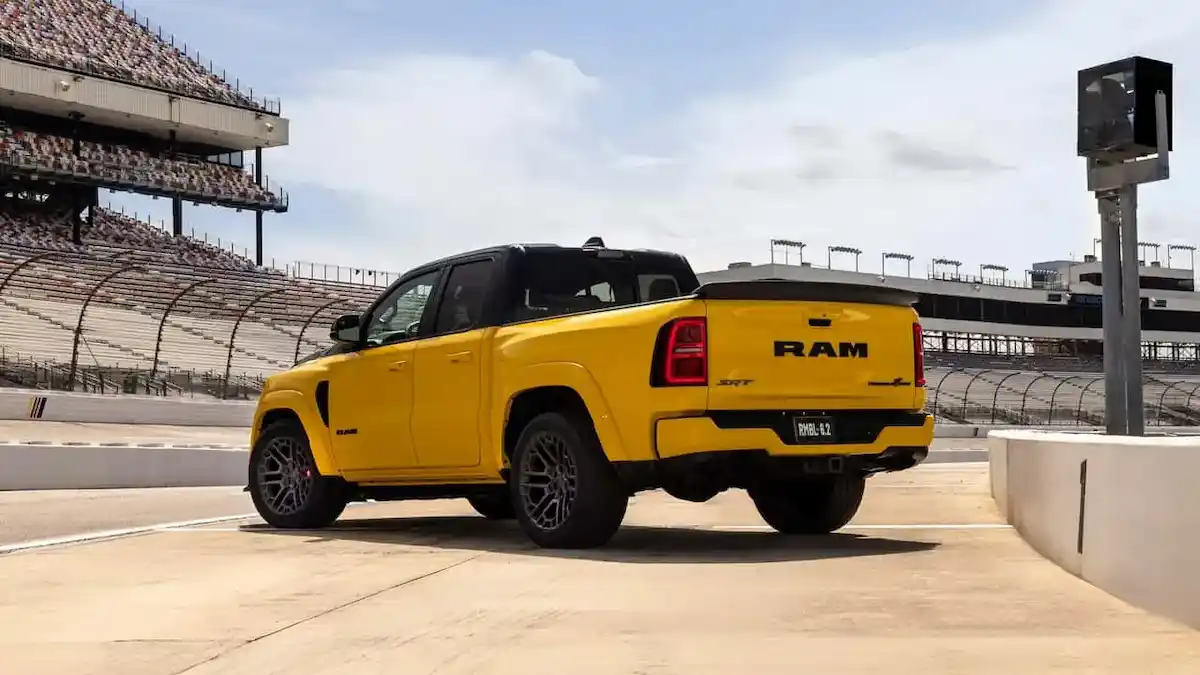
The truck is offered exclusively as a Quad Cab with a short bed. The shorter wheelbase and lower curb weight are intended to make it more responsive than the off-road-focused TRX. Lightweight 22-inch aluminum wheels, ultra-high-performance Goodyear tires, six-piston Brembo front brakes and an available four-corner air suspension further reinforce its street-ready nature.
The numbers are serious. Ram estimates a 0-60 mph time of about 3.4 seconds, an 11.6-second quarter-mile and a top speed of 170 mph. In other words, this is a pickup designed to embarrass more than a few sports cars while still retaining a truck bed.
2027 Slate EV Truck

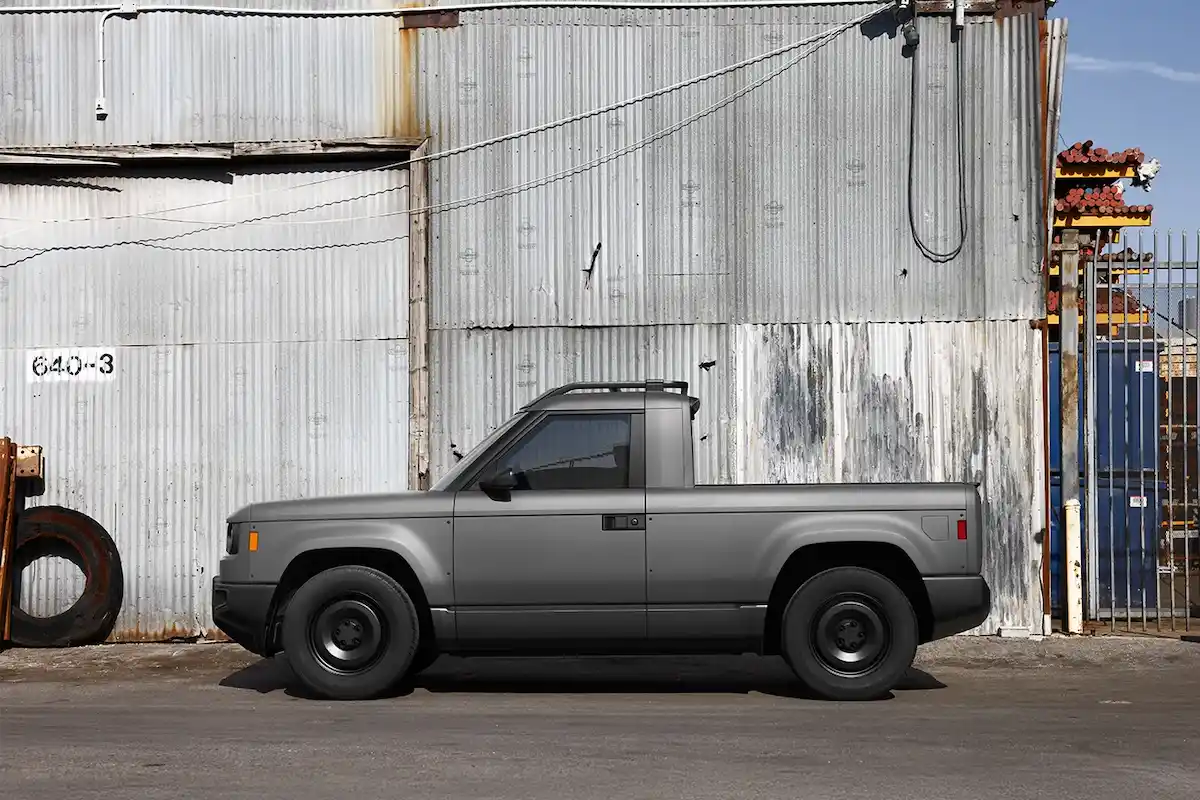
If the Rumble Bee SRT represents everything extreme about modern pickups, the Slate EV represents the opposite end of the market.
The electric Slate truck has attracted enormous attention because of its $24,950 starting MSRP. With the average new vehicle transaction sitting dramatically higher, Slate’s approach is based on keeping the truck as simple and inexpensive as possible.
But the price tells only part of the story.
The Slate is designed around modularity and owner customization. The base truck does not come with many of the features buyers now take for granted. There is no factory audio system, for example, while the doors use manual windows and locks. Instead of a conventional infotainment system, buyers get a phone mount.
The idea is that customers can build the truck around their own needs. Exterior panels can be vinyl-wrapped, accessories can be installed separately and an optional sound bar can be added later. Slate even offers a kit that can transform the truck into a fastback-style SUV with seating for five.
It is an unusual approach in an industry where vehicles have become increasingly complicated and expensive.
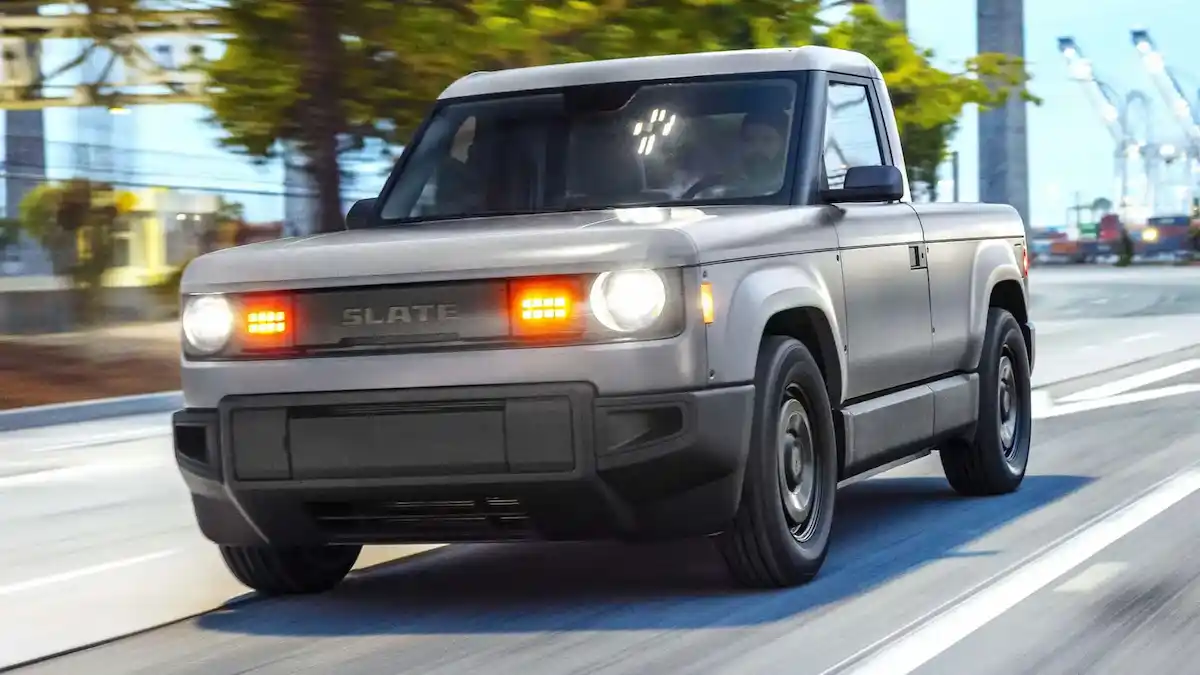
The powertrain is equally straightforward. The Slate uses a rear-mounted 135-kW electric motor and offers an estimated 205 miles of range on a charge. There is no all-wheel-drive version and no larger battery option. The truck uses an NACS charging connector and supports DC fast charging.
Despite its compact dimensions, the Slate retains a five-foot bed and can tow up to 2,000 pounds. It measures just 174.6 inches long, which makes it dramatically shorter than a conventional mid-size pickup. For comparison, a 2026 Toyota Tacoma Double Cab with a five-foot bed stretches more than 212 inches.
That combination of low price, small dimensions and owner customization makes the Slate one of the most unconventional new pickups to emerge in 2026.
2027 Toyota Tundra TRD Pro
Toyota’s TRD Pro lineup has become one of the most recognizable names in the off-road pickup and SUV world. The series debuted for the Tacoma, Tundra and 4Runner in 2015, combining upgraded suspension components, skid plates and aggressive wheel-and-tire packages to create more capable versions of Toyota’s trucks and SUVs.
For 2027, the Tundra TRD Pro gets more than a new color.
ALSO READ: Ford’s Midsize Electric Pickup Is Called The Fathom; Priced Below $30K
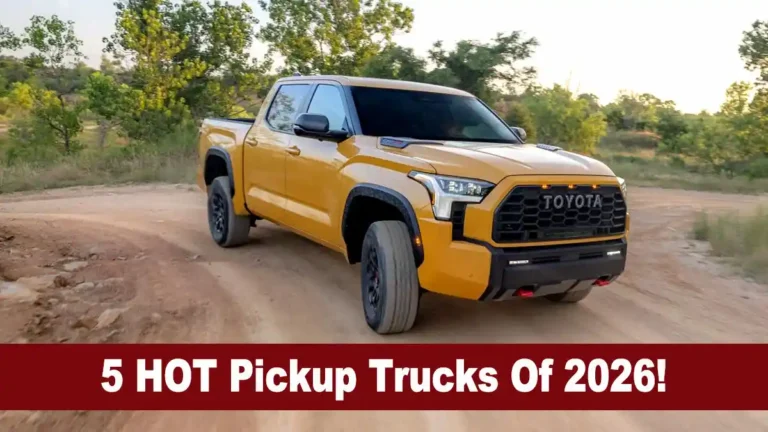
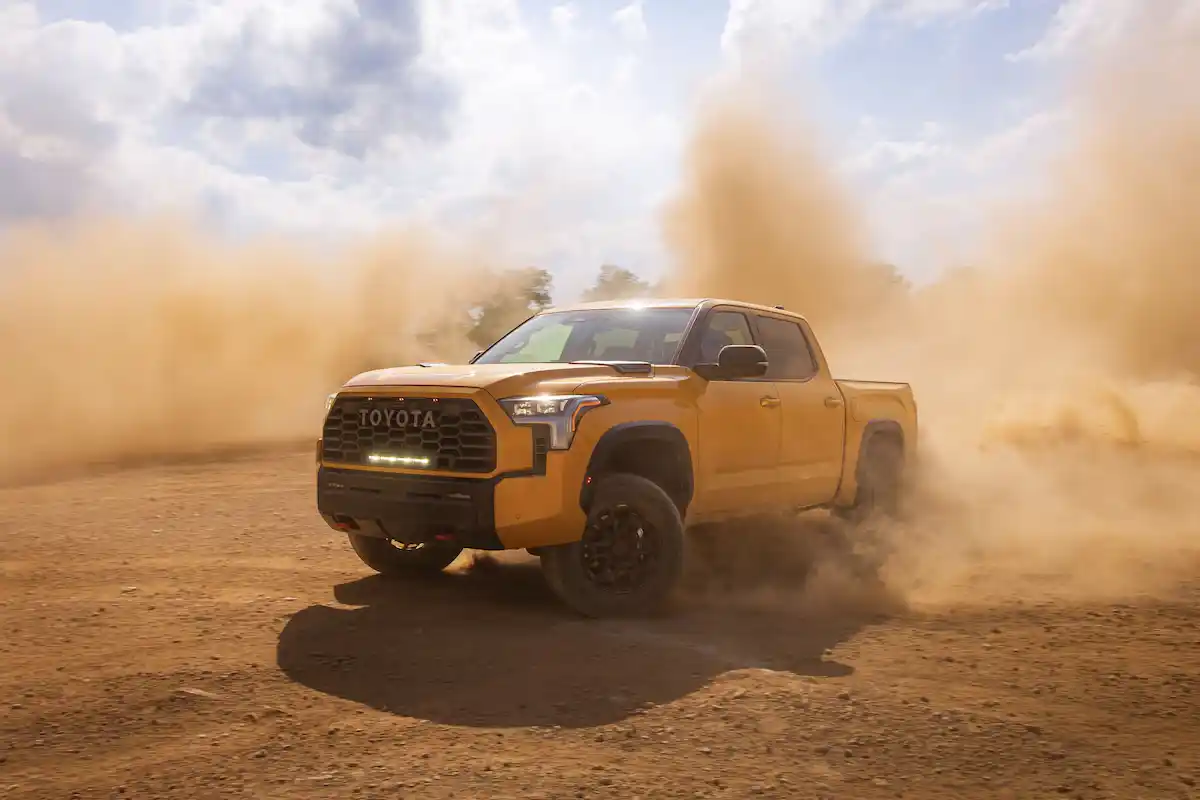
Toyota is introducing a shade called Honeycomb for the Tundra TRD Pro, as well as the Tacoma and Sequoia. The 4Runner gets a closely related color called Hot Honey. The golden-yellow finish is designed to make the TRD Pro models stand out, while the Tundra also gets red-painted front tow hooks that complement the TRD branding and wheel center caps.
The more important changes are underneath.
The 2027 Tundra TRD Pro gets new adjustable Toyota-tuned Fox enhanced Q3S shocks designed to improve both response and ride quality over rough terrain. Toyota is also adding IsoDynamic seats, a feature first introduced on the 2025 Tacoma TRD Pro. These use an internal shock absorber in the backrest to reduce the amount of vertical bouncing and side-to-side movement occupants experience when driving off-road.
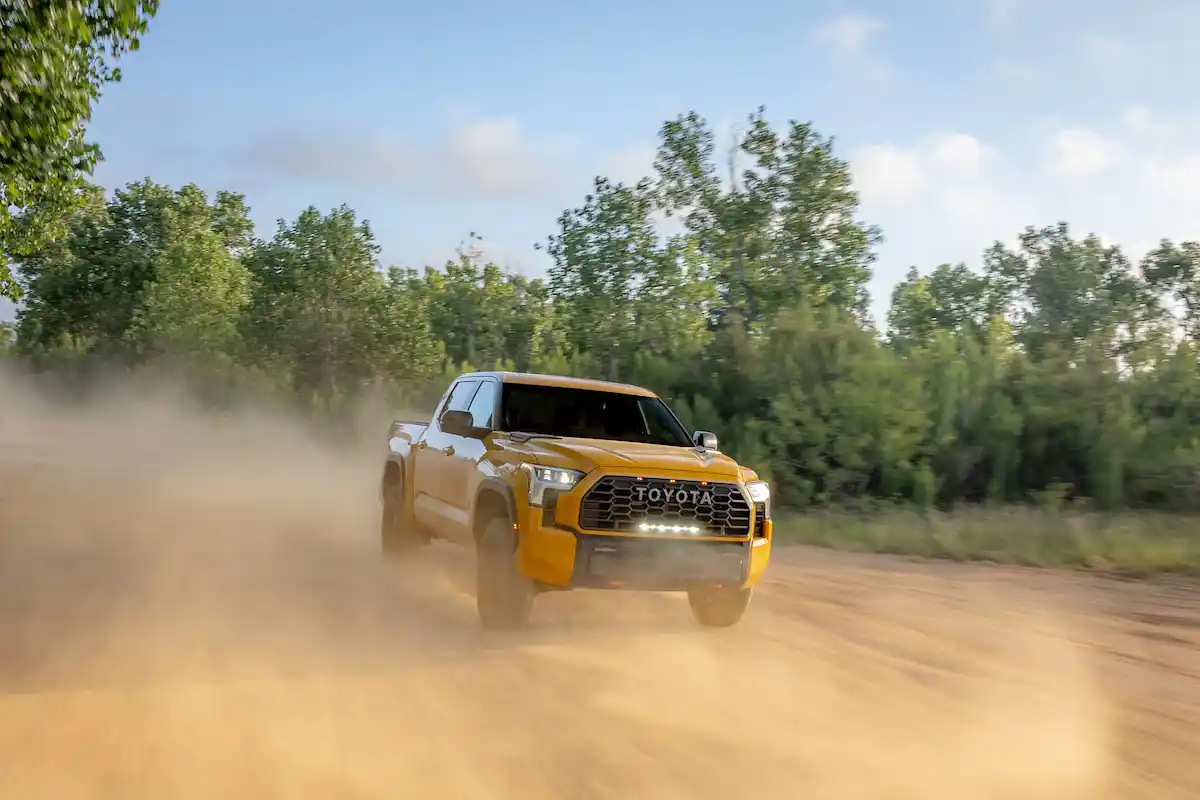
Toyota is also preparing a new TRD Performance package for the Tundra. The company says it will improve the truck’s dynamic performance, although full details had not been announced at the time of writing.
The 2027 update therefore follows the TRD Pro formula without abandoning what made the truck popular in the first place: serious off-road capability with a distinctive appearance.
2026 Ford Maverick SV300T
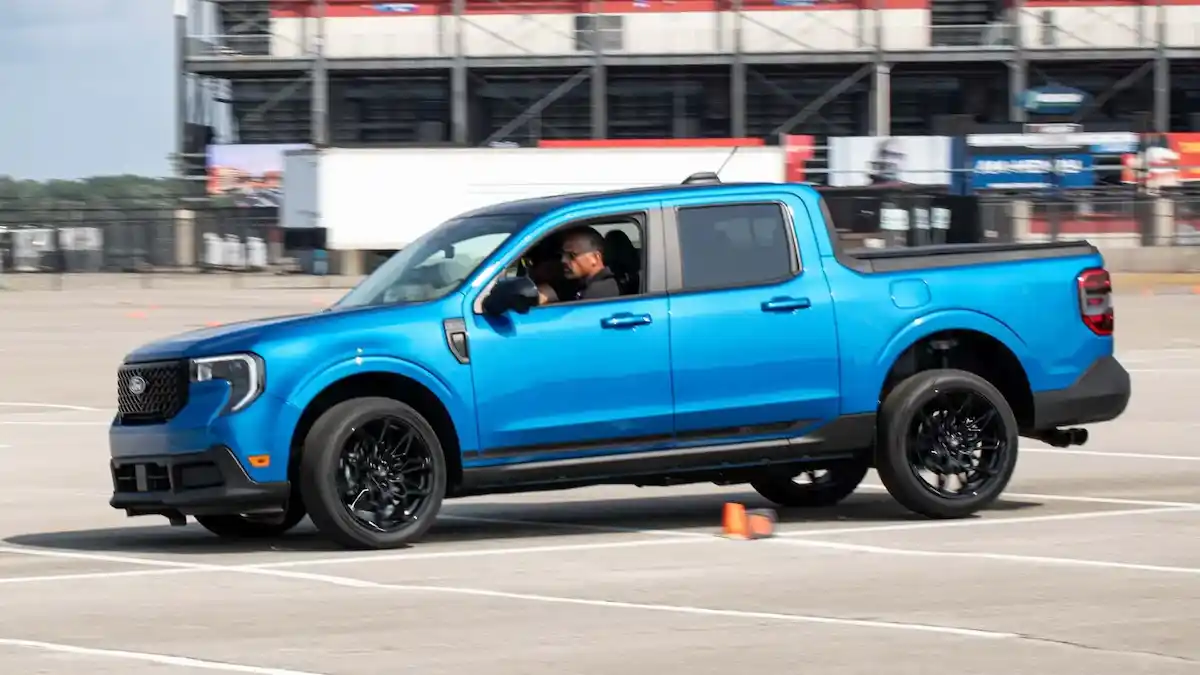
Ford’s Maverick Lobo brought some of the old-school mini-truck attitude back to the market in 2025. With its lowered suspension, 19-inch turbofan-style wheels and torque-vectoring rear differential, the Lobo was designed to prioritize street performance and style over traditional pickup-truck practicality. There was one obvious problem: the engine.
The Maverick Lobo uses the same 2.0-liter EcoBoost four-cylinder found in other Maverick variants. It produces 250 hp and 277 lb-ft of torque, which is respectable, but not exactly headline material for a performance-oriented street truck.
Ford’s new SV300T performance package addresses that weakness. It uses a larger turbocharger borrowed from the EcoBoost Mustang, along with an upgraded intercooler and a Borla cat-back exhaust system. The result is 300 hp and 350 lb-ft of torque.
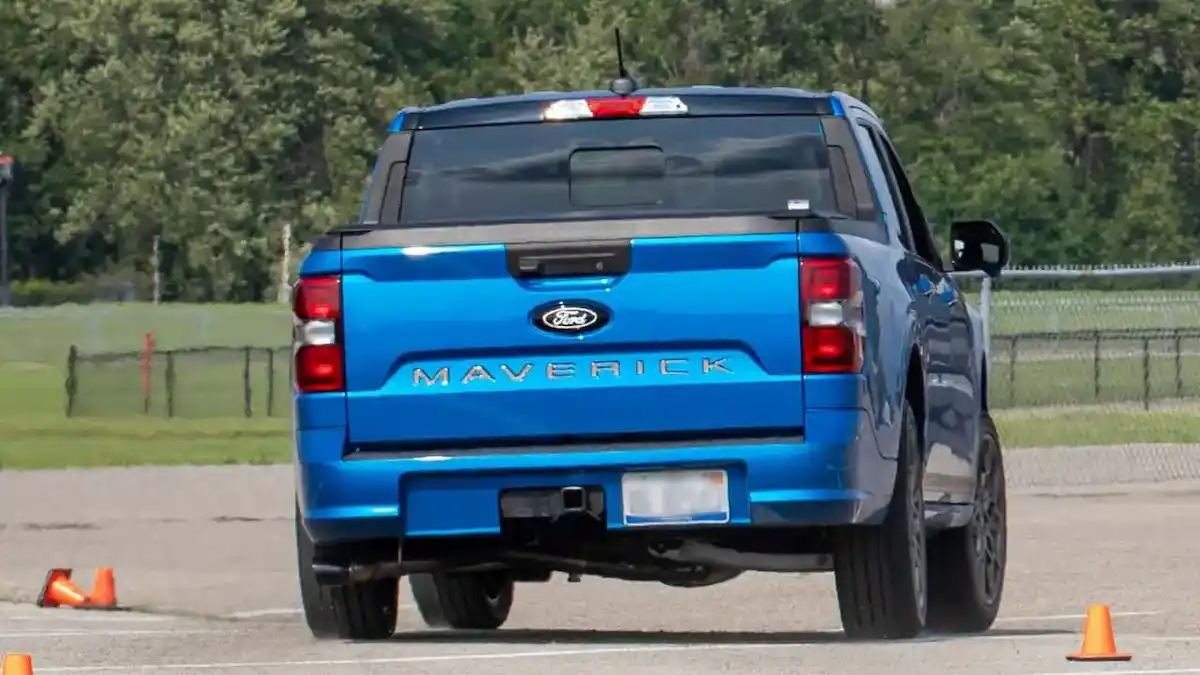
Ford has also given the package visual and chassis upgrades, including unique 20-inch wheels available in bronze or black and special graphics for the hood and sides. Because the upgrades are officially authorized by Ford, customers can have them installed on a new Maverick before taking delivery or purchase them through the parts counter for an existing truck.
That factory-backed approach is important. The package remains eligible for normal leasing and financing when installed on a new vehicle, and Ford backs the upgrades with a three-year/36,000-mile warranty.
The Maverick SV300T is therefore more than an aftermarket tuning exercise. It gives buyers a factory-supported way to turn Ford’s compact pickup into a much quicker street truck.
2026 Honda Ridgeline
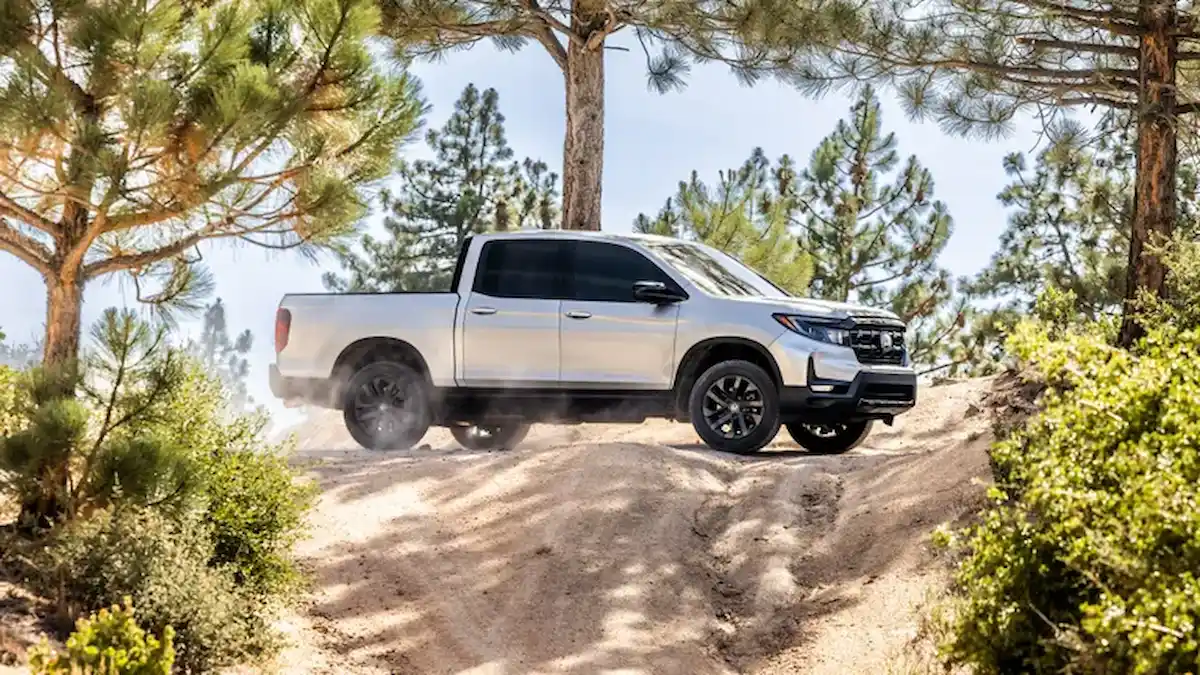
The Honda Ridgeline has never fit neatly into the traditional pickup-truck mold, and that remains true in 2026, as well. It uses a unibody platform shared with the Honda Pilot and Passport, has a front-biased all-wheel-drive system and offers less ground clearance than many conventional body-on-frame pickups.
Truck enthusiasts have criticized those characteristics for years. Buyers who actually live with the Ridgeline, however, have continued to appreciate its car-like driving manners and everyday practicality. It uses a naturally aspirated V6 engine, a standard crew cab and a 5.3-foot bed.
There is a catch for anyone considering buying one now.
The current second-generation Ridgeline has been around since 2017 and remains largely unchanged, while the related Pilot entered its fourth generation in 2023 and the Passport was redesigned for 2026. Honda’s Ridgeline still uses the SOHC J35-series V6, which is an older design compared with the more efficient DOHC V6 used by its platform siblings.
Honda is also among the six automakers legally required to continue complying with California’s vehicle greenhouse-gas emissions standards. Those requirements apply regardless of changes to federal policy.
Rather than extensively updating the current truck, Honda has chosen to pause production ahead of the next generation. The redesigned Ridgeline is expected to arrive in 2028 and is likely to use a hybrid powertrain. That makes the 2026 Ridgeline something of an end-of-an-era pickup.

