



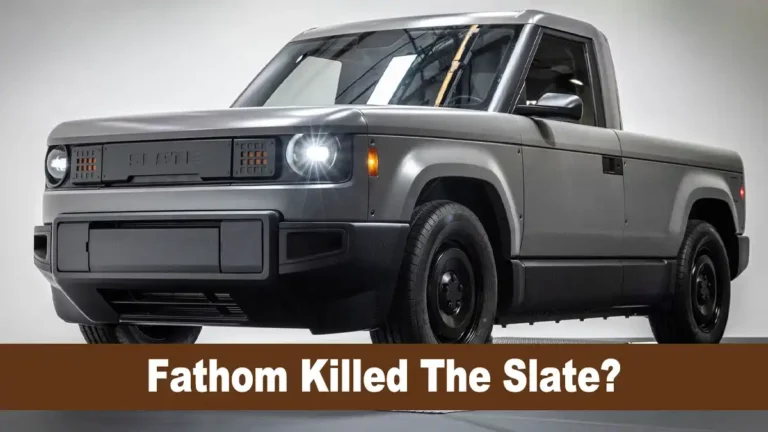
Ford Motor Company may have just dealt a decisive blow to the ultra-minimalist Slate electric pickup with the reveal of the Fathom. Priced just $3,545 higher after destination, the Fathom delivers something the Slate simply does not: a more complete, everyday-usable pickup. For buyers who were willing to embrace the Slate’s stripped-down philosophy, this new Ford makes that choice a lot harder-and in many cases, unnecessary.
Table of Contents
Why The Slate Was So Appealing

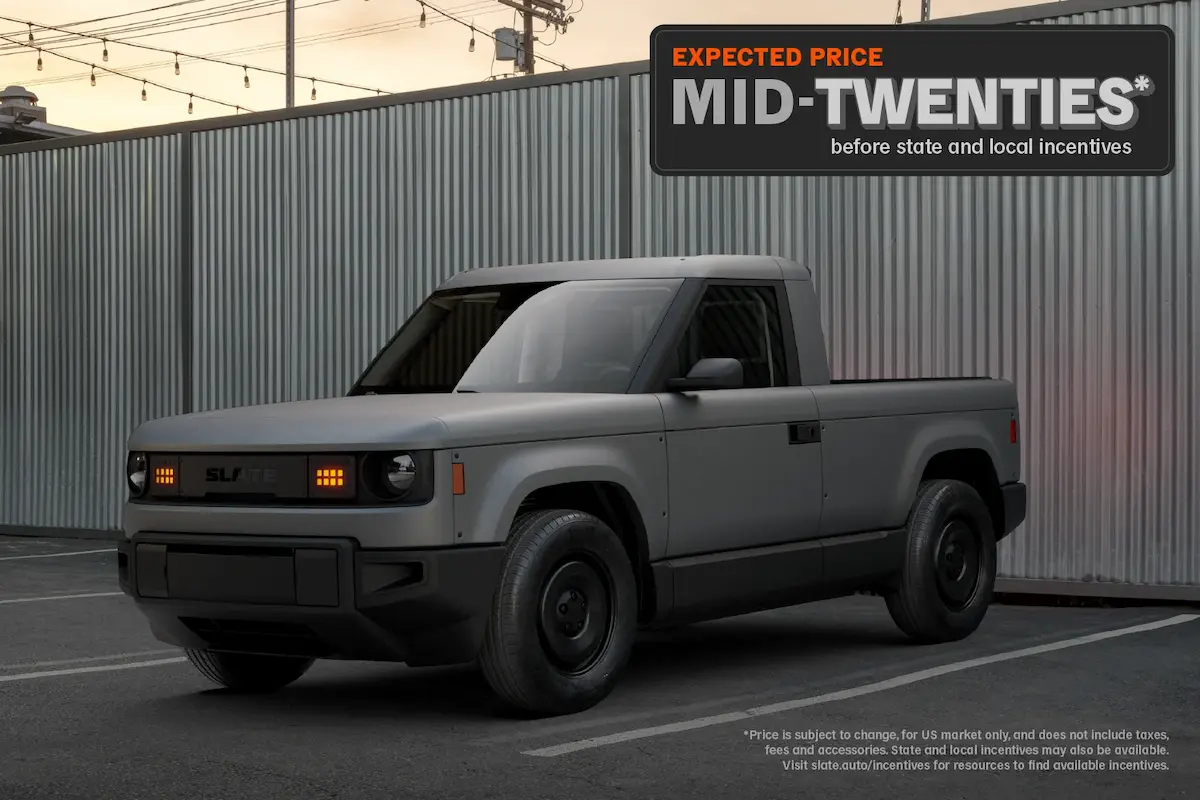
The Slate carved out a unique space by going in the opposite direction of modern vehicles. It is intentionally simple, almost to a fault. There is no deep connectivity layer constantly sending data back to servers, which is a major plus for buyers concerned about privacy. It skips features many automakers consider standard, including a factory radio, leaving owners free to install their own head unit and even build custom speaker setups.
That simplicity is exactly what made the Slate appealing. It invited owners to tinker, modify, and personalize. For DIY-minded buyers, it was less a finished product and more a platform- something you could shape to your own needs with tools, creativity, and even a 3D printer.
The Fathom Changes The Equation


The problem for the Slate is that the Ford Fathom doesn’t abandon practicality in the name of simplicity. It keeps costs low while adding features that matter in daily use. The most important one is also the most obvious: a rear seat.
That single addition transforms how the truck can be used. The Slate is limited to carrying cargo and one passenger at most. The Fathom, on the other hand, opens the door to real-world versatility. It can carry friends, family, or coworkers while still handling gear in the bed. That flexibility is not a luxury- it is a baseline expectation for many buyers.
The Real Cost Of That Extra Capability
Yes, the Fathom costs more. Broken down over a typical five-year loan, that $3,545 difference comes out to roughly $66 per month. That is not insignificant, especially for buyers on tight budgets. For someone earning around $70,000 a year in a high-cost city like New York, that extra expense requires real consideration.
But context matters. The added cost buys a level of usability the Slate cannot match. Being able to drive a group of friends to a climbing trip, head to the beach with a full load of gear, or help someone move apartments without needing a second vehicle changes the value equation entirely. That $66 a month starts to look less like a stretch and more like a practical upgrade.
Practicality Wins Over Purity

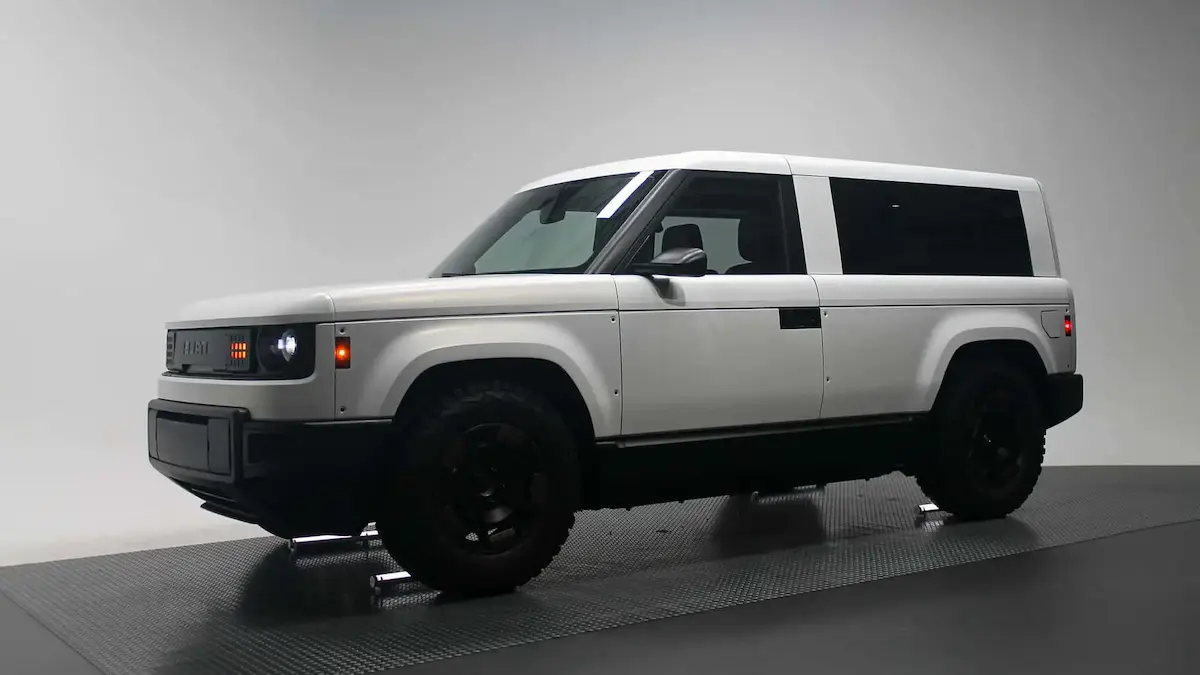
Even for buyers who genuinely appreciate the Slate’s philosophy, the Fathom makes a compelling case. The Slate’s customization potential, including the ability to install aftermarket components or even create your own accessories, is still unique. That kind of hands-on ownership experience has real appeal.
But for most people, daily usability outweighs that level of personalization. The Fathom may not offer the same open-ended platform for DIY creativity, but it delivers what many buyers actually need: space, flexibility, and convenience.
The Final Deciding Factor
There is still one unknown that could influence the final verdict, and that is bed size. The Fathom’s cargo area has not yet been fully detailed, and its real-world usefulness will depend heavily on how much it can actually carry. If it meets expectations, the gap between these two trucks widens even further.
As it stands, the Ford Fathom strikes a balance the Slate cannot. It keeps the price within reach while offering the kind of functionality that turns a niche product into a mainstream option. For many buyers, that balance will be enough to make the decision clear.
In simple terms, the Slate may have started the conversation around affordable, minimalist electric trucks- but the Fathom just finished it.

