

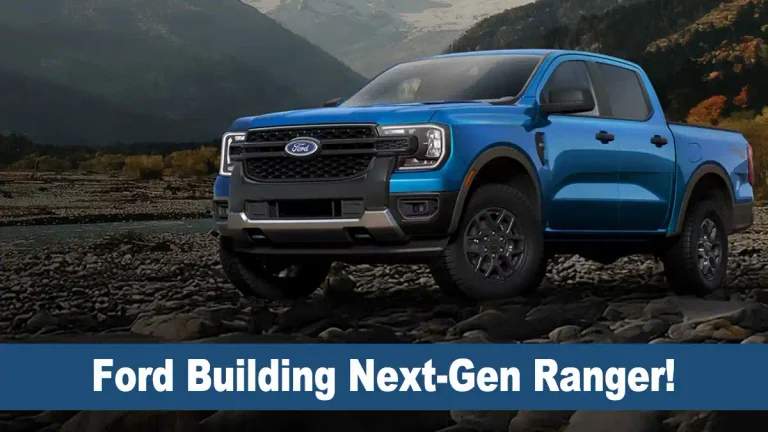
Ford has confirmed that development of the next-generation Ranger is already underway in Australia, even though the new midsize pickup is not expected to arrive before the end of the decade. Around 1,500 engineers are reportedly working on the project, underlining the importance of the Ranger to Ford’s global truck strategy. The current generation has been on sale since 2021 and received significant updates in 2025, but Ford is already working on its successor.
The Ranger is one of the world’s best-selling midsize pickups, competing directly with models such as the Toyota Hilux. Its strong sales mean Ford has little reason to make a radical change to the formula. Instead, the next generation is expected to bring improvements in design, technology, comfort and electrification while retaining the rugged capability that defines the nameplate.
1,500 Engineers Are Working On The New Ranger
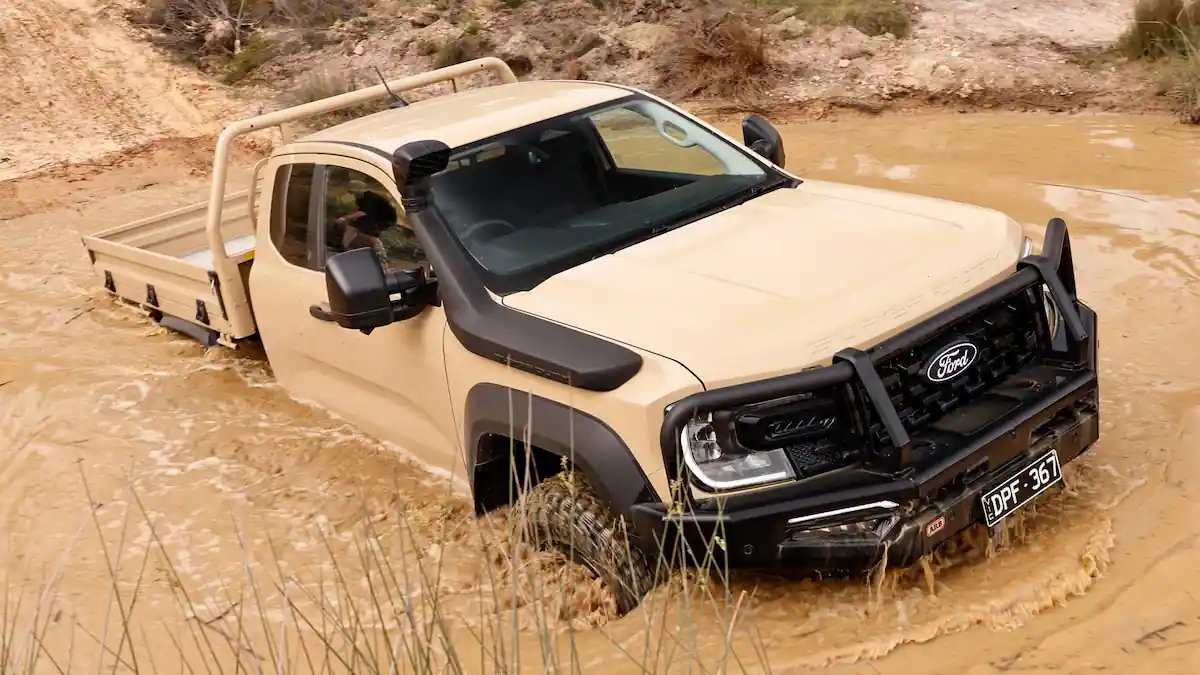
Ford Australia president and CEO Fadi Mawal confirmed the development work in an interview with Australian publication Drive.
According to Mawal, around 1,500 engineers are currently involved in the next Ranger project. Many of them could be engineers who have previously worked on the current Ranger and the earlier T6-generation truck, which debuted in 2010.
Mawal also confirmed that Australia is expected to remain an important engineering center for the Ranger and Everest programs. He described the local engineering team as “world-class” and credited it with developing products that Ford considers “best-in-class.”
At the same time, he made it clear that the program is not completely locked down. Engineers will continue working on the next-generation truck “until someone says otherwise.“
Ford’s Australian Engineering Hub Faces Questions
The future of Ranger development in Australia is linked to a broader question about the cost of maintaining Ford’s engineering operations there.
During a visit to Australia earlier this year, Ford CEO Jim Farley said Australia is “among the most expensive places to have engineers on the planet.” His comments raised questions about whether Ford could continue to justify the cost of a major engineering operation in the country when lower-cost alternatives are available elsewhere in Asia.
Mawal confirmed that Ford and the Australian government are continuing discussions about the future of the country’s engineering hub.
A Major Redesign Is Expected
Ford has not revealed any details about the next Ranger’s exterior design, but a full redesign is expected as part of the generational change.
The current Ranger’s basic proportions and platform have already been refined through its recent updates. The successor should therefore bring a completely new body while retaining the pickup’s core midsize dimensions and practical focus.
The interior is also expected to receive a major overhaul. Ford could put greater emphasis on physical controls while improving comfort, materials and overall refinement.
The next truck will also have to balance the demands of daily driving with the capability expected from a Ranger. The success of the current model shows that buyers want a pickup that can work during the week and serve as a family vehicle or recreational machine on weekends.
Will The Current Platform Continue?
One of the biggest unanswered questions is what will sit underneath the next Ranger. The current truck uses a ladder-frame chassis that is shared with the new Bronco. Ford has not said whether the next generation will use a completely new chassis or an extensively developed version of the existing platform.
Keeping an evolved version of the current architecture could help Ford control development costs while allowing the company to improve strength, weight, suspension tuning and packaging.
A clean-sheet platform, meanwhile, could give engineers greater freedom to integrate new powertrain technology and improve efficiency. For now, Ford is keeping that decision private.
More Electrification Is Expected
Electrification will almost certainly play a larger role in the next Ranger. The current lineup already includes gasoline, diesel and plug-in hybrid powertrains in different markets. However, the truck does not currently offer the mild-hybrid diesel system available in the Toyota Hilux or a conventional self-charging hybrid.
The next generation could address that gap as emissions regulations become stricter in several markets. A full hybrid is one possible direction, while a fully electric Ranger could also be considered. However, an EV version does not appear to be the immediate priority based on the information available so far.
Ford will likely continue offering combustion engines alongside electrified options because the Ranger serves markets with very different infrastructure, regulations and customer requirements.
Ranger Raptor And Super Duty Could Continue
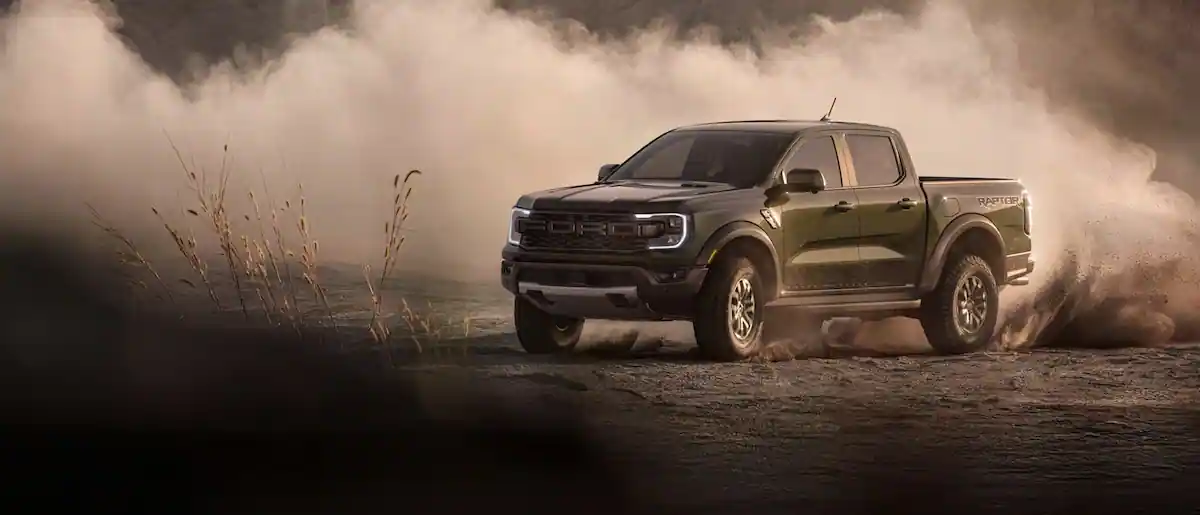
Ford is unlikely to abandon the versions that have helped expand the Ranger’s appeal. The high-performance Ranger Raptor has become one of the most recognizable versions of the nameplate, combining off-road capability with significantly greater performance than the standard truck.
At the other end of the spectrum, the Ranger Super Duty is aimed at buyers who need a more serious work-focused pickup. The success of both models suggests that Ford could continue offering a broad Ranger lineup with different versions designed for performance, recreation and commercial use.
When Will The New Ranger Arrive?
The next-generation Ranger is still several years away. Ford has confirmed that development is underway, but the truck is not expected to debut before the end of the decade.
That means the current Ranger still has plenty of life ahead of it, particularly after the updates introduced in 2025.
As development progresses, early prototypes and camouflaged test vehicles could begin appearing on public roads. Australia is one of the most likely places to spot them given the country’s important role in Ranger engineering.
(All images used for representation only)


