

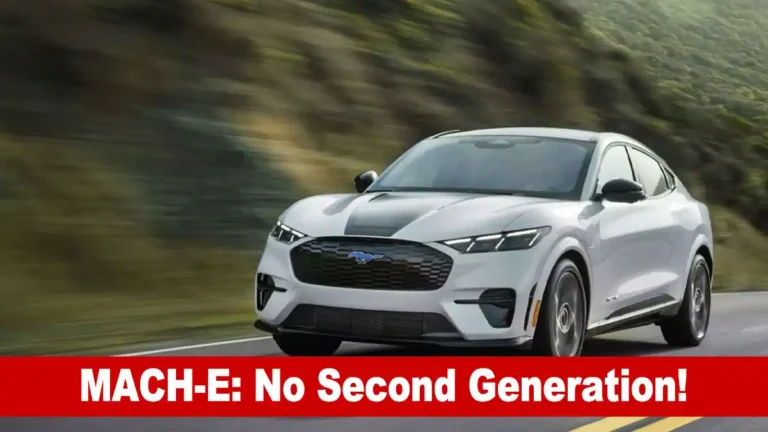
Ford Motor Company may not have officially confirmed the fate of the Mustang Mach-E, but its latest comments around a new Universal EV platform have made one thing clear- the Mach-E’s long-term future is now under real doubt. What once looked like a core pillar of Ford’s electric strategy is suddenly starting to feel like a transitional product, caught between an early misstep and a more refined second-generation approach that is already taking shape behind the scenes.
Table of Contents
Ford’s New EV Platform Moves On Without The Mach-E!
The biggest red flag comes directly from Ford itself. When asked whether the new Universal EV architecture would underpin a future Mustang Mach-E, the company gave a blunt response: it will not! That answer matters more than it may seem at first glance, because platforms define the lifecycle of modern vehicles. If a model is not aligned with a brand’s next-generation architecture, it is usually not part of the long-term plan. Ford has described this new platform as a clean-sheet development focused on maximising efficiency, which suggests a significant leap forward in packaging, cost, and performance compared to its current EV platforms.
That makes the Mach-E’s position increasingly uncomfortable. If Ford truly intended to carry the nameplate forward into a second generation, migrating it to this new platform would have been an obvious move. The fact that it is not happening strongly suggests that the company is either reconsidering the product entirely or is preparing to replace it with something more aligned with its future strategy.
Ford Admits Its First EV Approach Fell Short
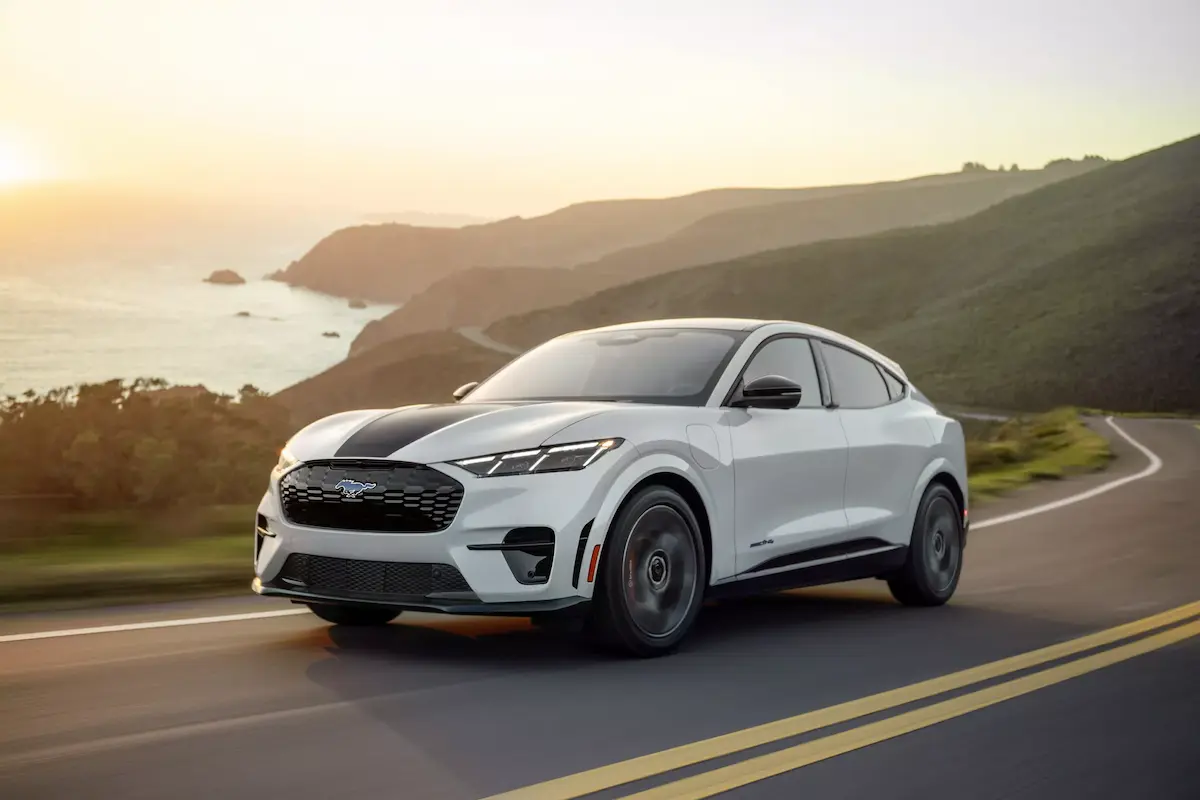
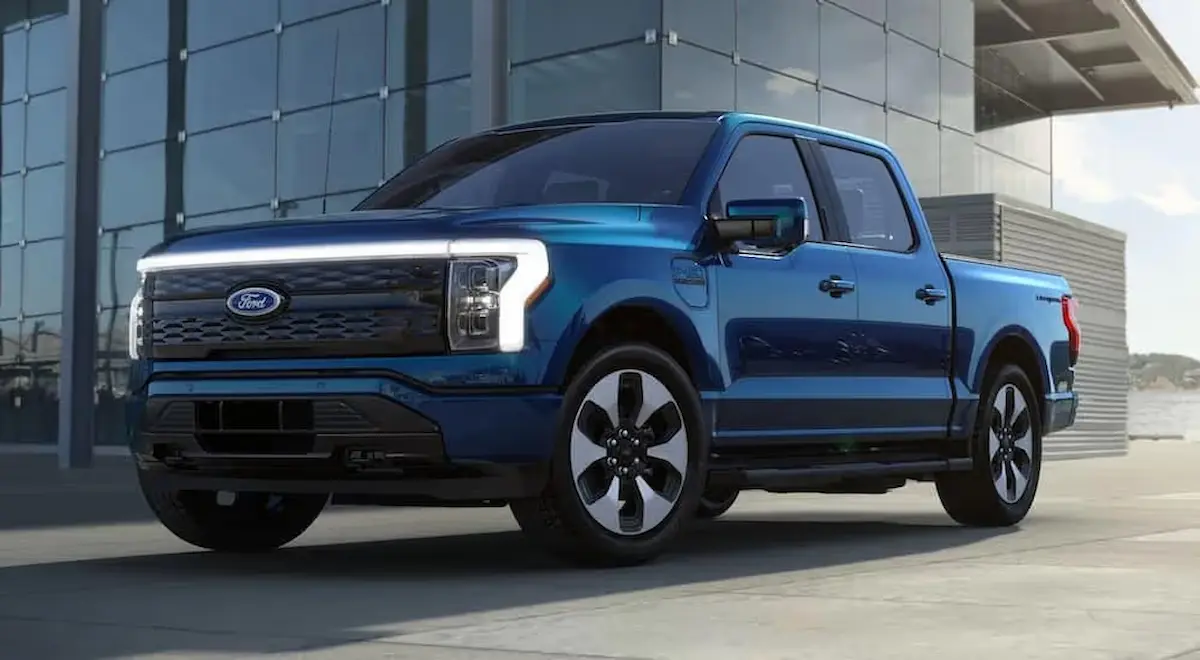
This shift becomes easier to understand when you look at comments from Ford CEO Jim Farley, who has openly admitted that the company approached its first generation of EVs the “wrong way.” That is a significant statement, especially considering that the Mach-E was one of the brand’s flagship electric products. The F-150 Lightning, another flagship model, has also been discontinued. It signals that Ford sees its early EVs not as long-term foundations, but as learning experiences that would facilitate a more efficient and scalable second phase.
The new Universal EV platform represents that second phase. It is designed from the ground up to deliver better efficiency, lower costs, and more flexible applications across multiple vehicle types. The first product to use it will be a compact pickup truck, which has already been spotted testing in the United States, and several more models are expected to follow. This platform will be the backbone of Ford’s future EV lineup.
Mach-E May Risks Being Left Alone
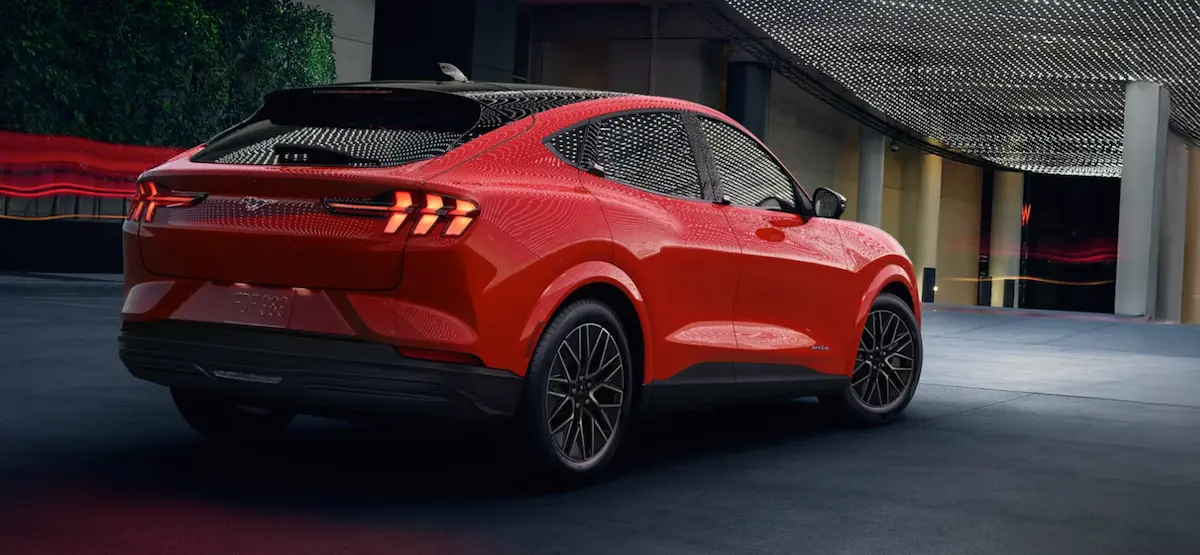
Against this backdrop, the Mach-E starts to look increasingly isolated. It is currently the only EV Ford continues to sell in the United States after the Ford F-150 Lightning’s exit, which places it in an awkward position as both a holdover from the past and a placeholder for the present.
While the model is expected to remain in production until at least 2027, reports suggest it may not receive any major updates until after 2030, if at all. That timeline alone raises concerns about competitiveness, especially in a segment that is evolving at a rapid pace.
If Ford continues to sell the Mach-E without migrating it to the new platform, it risks becoming outdated very quickly. Newer EVs built on the Universal architecture will likely offer better range, improved efficiency, and more advanced technology. This will leave the current Mach-E at least a generation behind. Given the pace of the segment’s evolution, this gap can be difficult to overcome.
Internal Competition Could Seal Its Fate
The situation becomes even more complicated when you consider what Ford has planned next. Reports indicate that the Ford Escape could return as an all-electric model later this decade, built on the new Universal EV platform. If that happens, it would effectively introduce a more modern, more efficient, and potentially more practical alternative within Ford’s own lineup, directly overlapping with the Mach-E’s positioning.
That kind of internal competition rarely ends well for the older product. If buyers are given a choice between a legacy EV and a next-generation model built on a superior platform, the decision becomes straightforward. The newer product wins, and the older one gradually fades out.
Mach-E: A Transitional Icon?
The Mach-E was always a bold move. It redefined what the Mustang name could represent and helped Ford establish an early presence in the electric SUV space. But the latest developments suggest it may not have been designed to last in its current form. Instead, it may end up being remembered as a transitional model.
To sum it up, Ford has not officially confirmed whether the Mach-E will be discontinued or replaced, but the signals are hard to ignore. The Mach-E is clearly not part of the company’s next-generation EV strategy. For now, it continues to carry Ford’s EV ambitions in the United States, but the ground beneath the Mach-E is shifting quickly.


