

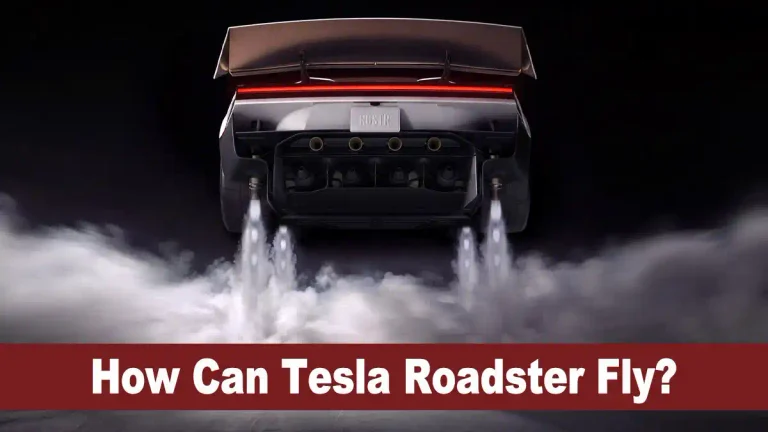
The second-generation Tesla Roadster is designed to do far more than a jaw-dropping acceleration. The long-delayed electric car combines high-output electric motors, an active suction system and compressed-nitrogen thrusters to deliver extreme acceleration and, in its most ambitious configuration, lift the car off the ground. Yes, ‘almost’ a flying car! During its latest demonstration at SpaceX’s Texas test facility, the prototype leaped over Tesla’s vehicle lineup, climbed a ramp and even performed an airborne maneuver before landing with assistance from its built-in thrusters. Here’s how Tesla made the car fly.
Table of Contents
Tesla Roadster Demonstration At SpaceX Facility
Tesla CEO Elon Musk first announced the Roadster nine years ago. Its latest reveal showcased a machine that pushes well beyond the limits of a conventional production car.
The demonstration took place at the SpaceX testing facility in McGregor, Texas. The prototype accelerated from 0 to 60 mph in a claimed sub-second time, launched over Tesla’s lineup, drove up a steep ramp and performed an airborne flip before returning to the ground.
The car had no human driver during the demonstration. Musk said Tesla wanted to make sure nobody was killed in the technology demo. The test car’s blacked-out windows also prevented viewers from seeing inside.
Tesla vehicle engineering head Lars Moravy explained the technology behind the car in an interview with ‘Hagerty‘ ahead of the reveal. The system combines conventional electric propulsion with hardware more commonly associated with aerospace engineering.
How The Tesla Roadster Flies: Explained
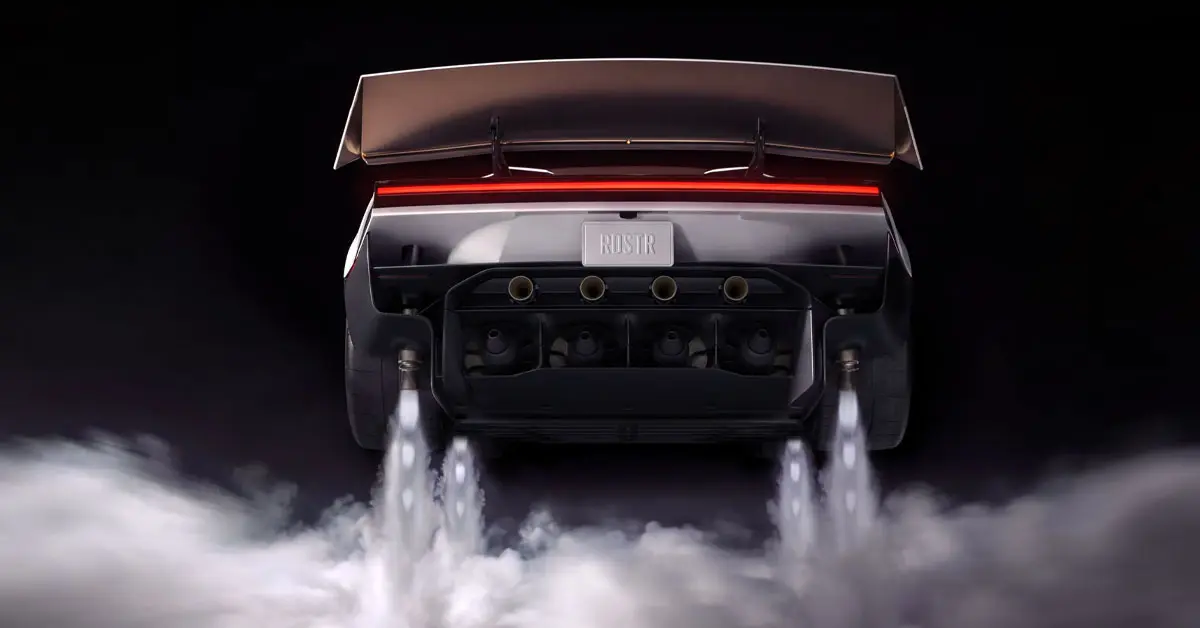
The Roadster’s flight capability comes from cold-gas thrusters that release highly pressurized nitrogen through nozzles to generate thrust. Unlike conventional rocket engines, these systems do not burn fuel. Similar technology is used to control the orientation of spacecraft.
The optional flight package adds six thrusters to the base car. Four are positioned at the corners of the car, while two additional units at the front help control yaw, or rotation around the car’s vertical axis.
The system also requires additional space for storing the pressurized nitrogen. Behind the driver’s seat sits a 200-liter carbon-overwrapped pressure vessel, or COPV, designed to hold gas at pressures of up to 10,000 psi. The flight package adds another 400-liter vessel, bringing the total tank capacity to 600 liters. The additional tank occupies the passenger-seat area, effectively turning the flight-equipped Roadster into a single-seater.
Moravy says the rear thrusters can produce more than 80 kilonewtons of thrust in launch mode. Tesla claims the combined system can propel the Roadster from 0 to 60 mph in less than a second, potentially subjecting the driver to forces of up to 5 g.
The thrusters are not the only unusual part of the setup. Tesla has also developed an active suction system to help the car maintain contact with a surface before takeoff.
How The Suction Fans Work
Tesla calls its active suction setup the “sucker system.” Four 20-kilowatt electric fans draw air from beneath the car, creating a low-pressure area that pulls the vehicle toward the surface below it. This part of the car’s unusual engineering reportedly traces back to the CEO’s interest in a famous James Bond vehicle.
In 2013, Musk bought the Lotus Esprit S1 submarine car, known as Wet Nellie, from the 1977 film The Spy Who Loved Me at auction for just under $1 million. That car featured four propellers at the rear. Of course, the Roadster doesn’t copy that mechanism directly. But the purchase does provide an interesting narrative.
Four independently replaceable skirts extend along the sides of the car to help contain the airflow. This system increases the force pressing the tires toward the road, providing additional grip at low speeds when conventional aerodynamic wings have not yet generated substantial downforce. Moravy claims the system can deliver more than 2 g of lateral acceleration in a corner, even below 50 mph.
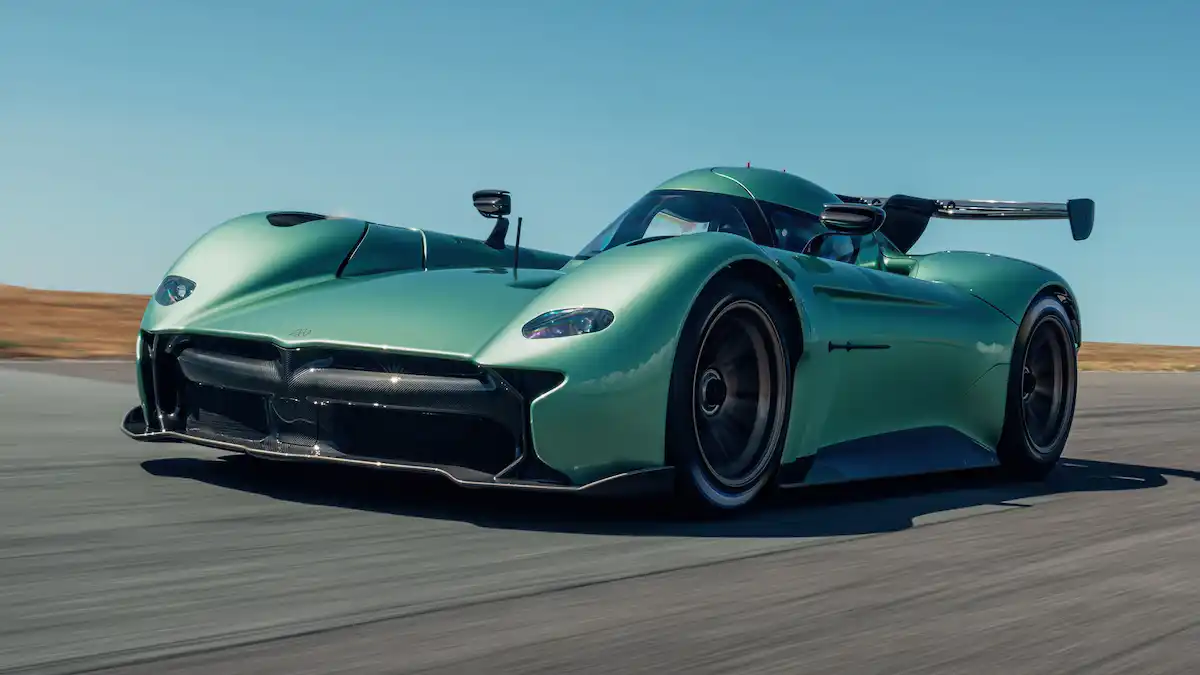
This technology is already used in other high-performance vehicles. The McMurtry Spéirling Pure, an electric track car, uses two high-speed fans spinning at up to 23,000 rpm to draw air from beneath its chassis. Its system can generate up to 2,000 kg, or approximately 4,400 pounds, of downforce.
The Roadster’s fans and thrusters serve different purposes. The fans help the car stick to a surface, including the specially designed ramp at the demo. The nitrogen thrusters generate the thrust needed to leave a surface, control the car’s movement in the air and assist with its descent.
The cold-gas system also has a practical limitation. Its thrust declines as the pressurized nitrogen supply runs down. Moravy compares this to releasing air from an inflated balloon: the initial flow is strong, but it weakens as the pressure falls.
ALSO READ: Porsche Wants To Sell Fewer Cars For More Money. Mission S Shows How!
Tesla says refilling the 600-liter system currently takes six to seven hours. The company is reportedly working on a process that could reduce this to around 30 minutes. Refill time, reliability and safety will all matter if Tesla intends to offer the technology to customers. Offering the thruster technology to customers may not be as straightforward as it might sound. It remains unclear how authorities, including the Federal Aviation Administration, might respond.
The Roadster’s Powertrain And Performance
The second-generation Roadster will use rear-wheel drive, unlike Tesla’s recent high-performance models that use all-wheel drive. Two electric motors will deliver more than one megawatt of power, equivalent to approximately 1,341 horsepower, and over 1,400 Nm of torque to the rear wheels.
These figures exceed the output of Tesla’s three-motor Plaid models. Sending that much power through only the rear wheels makes the Roadster’s traction-management systems particularly important.
Moravy says the car will weigh just under 1,700 kg. Despite being larger than the original Roadster, it is expected to remain relatively light for a high-performance EV.
Tesla claims a driving range of more than 300 miles. To offset what would be a relatively modest figure for a vehicle in this performance category, the company says the Roadster will use its fastest-charging battery yet. The company claims it can charge from 15% to 80% in just 10 minutes, although the same remains to be demonstrated in a production vehicle.
The electric powertrain provides the foundation for the Roadster’s performance. However, its most unusual capabilities come from the two additional systems: fans that generate suction beneath the car and compressed-gas thrusters that produce thrust to help accelerate faster.
Tesla plans to offer two main configurations. The Performance model will include the suction system but omit the thrusters. It is claimed to accelerate from 0 to 60 mph in 1.6 seconds and reach a top speed of 210 mph.
The more extreme Thrust model will include the full thruster package and is claimed to reach 230 mph. 0-60 mph, in this case, takes less than a second. Extreme acceleration for a road-going vehicle. For comparison, the McMurtry Spéirling Pure has a 0-to-60-mph time of 1.3 seconds. The sub-second claim thus puts the Roadster in a completely different performance bracket. It, however, has yet to be independently verified under production-car conditions.
Designed By Tesla’s Longtime Chief Designer
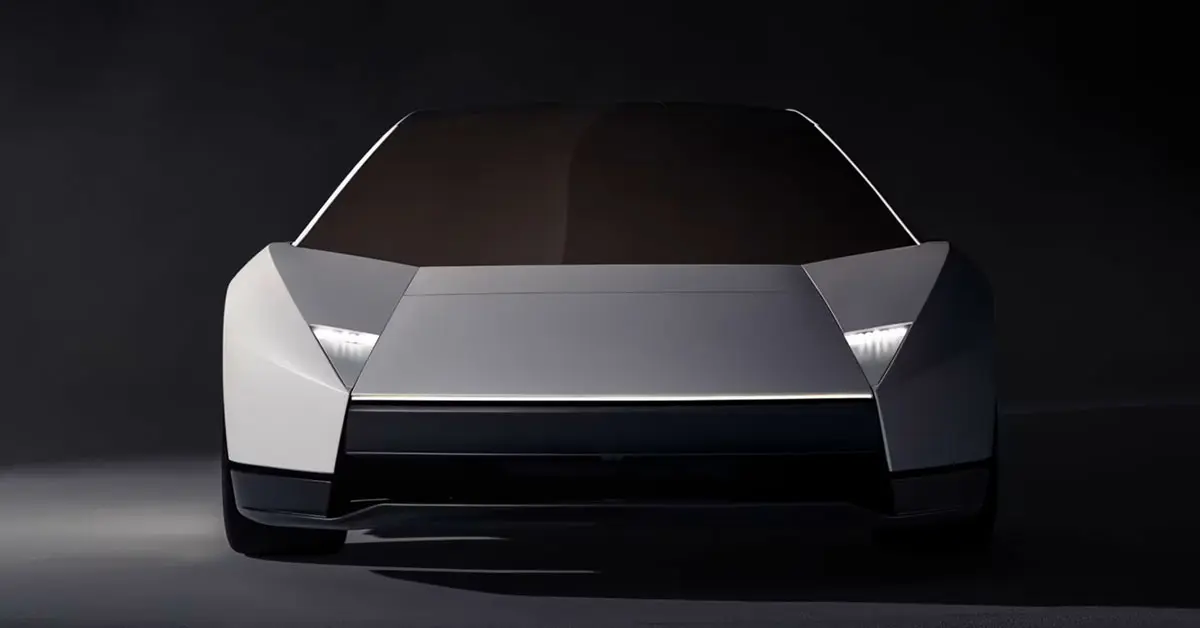
The Roadster has an angular design. It was designed by Franz von Holzhausen, Tesla’s chief designer since 2008. His previous work includes the Cybertruck, Model S, Model X, Model 3, Model Y and Tesla Semi.
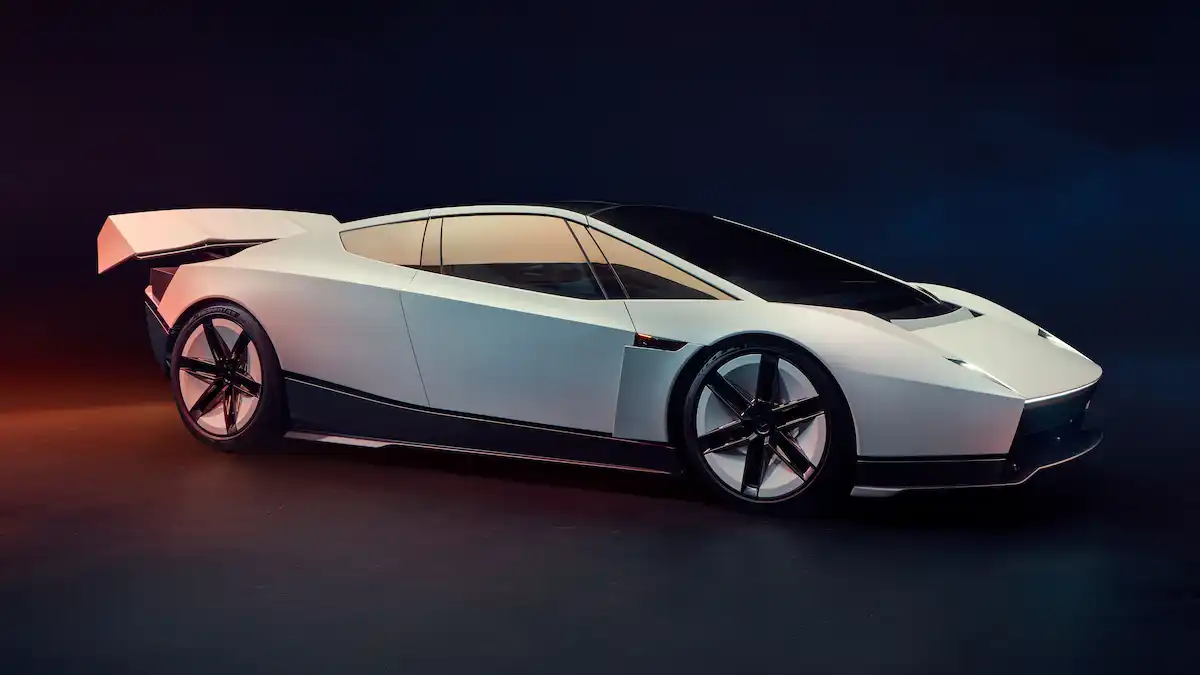
The new car’s design is a clear departure from the 2017 concept. Back then, the Roadster concept had a rounded nose, removable glass roof, and flowing bodywork. The new car, however, is much sharper with its design. It has a wedge-shaped silhouette and aircraft-inspired detailing, reportedly inspired by the SR-71 Blackbird and the F-35 fighter jets. The headlights are concealed and the rear has a full-width LED tail light and an active rear wing.
When Will It Enter Production?
While the prototype and its capabilities have created a lot of buzz online (and rising interest in the product), we don’t expect the new Roadster to be put into production until 2028. That timeline needs to be viewed with caution. Musk previously said deliveries would begin in 2020, and it has now been pushed to 2028.
Tesla has, however, started accepting bookings for the EV. The Performance version can be reserved by paying $5,000. Another $45,000 needs to be paid in 10 days. The Thrust version also commands the same initial payment, but the second instalment is much higher- $245,000. The Flight package, Tesla says, is currently ‘invite only’.


