

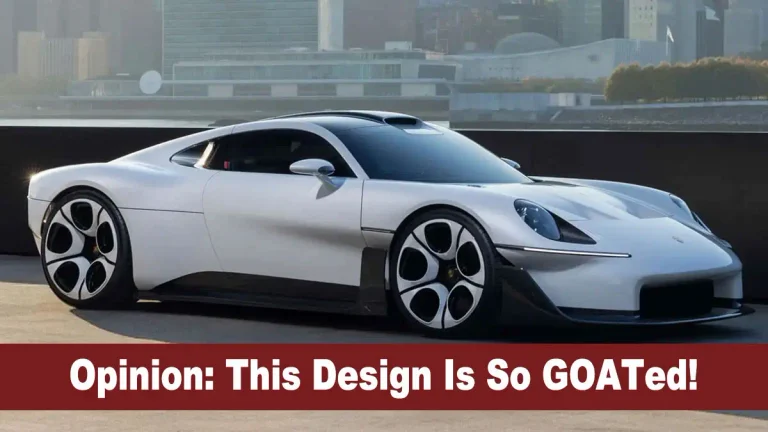
The recently-unveiled Porsche Mission S shows how a supercar can borrow from a brand’s legendary past and look exceptionally good, without getting trapped in it. The mid-engined concept combines design cues from icons such as the 911, 959, 917 and GT1- both road and race cars! It comes with sculpted bodywork, clever cooling details and a driver-focused cabin that puts physical controls back in the spotlight.
The Mission S looks beyond the 911. The production form will become Porsche’s new flagship sports car. Keeping the design fresh, in that case, is as important as making it look good. Looks like Porsche has done a commendable job at it.
Table of Contents
Classic Porsche DNA, Reimagined
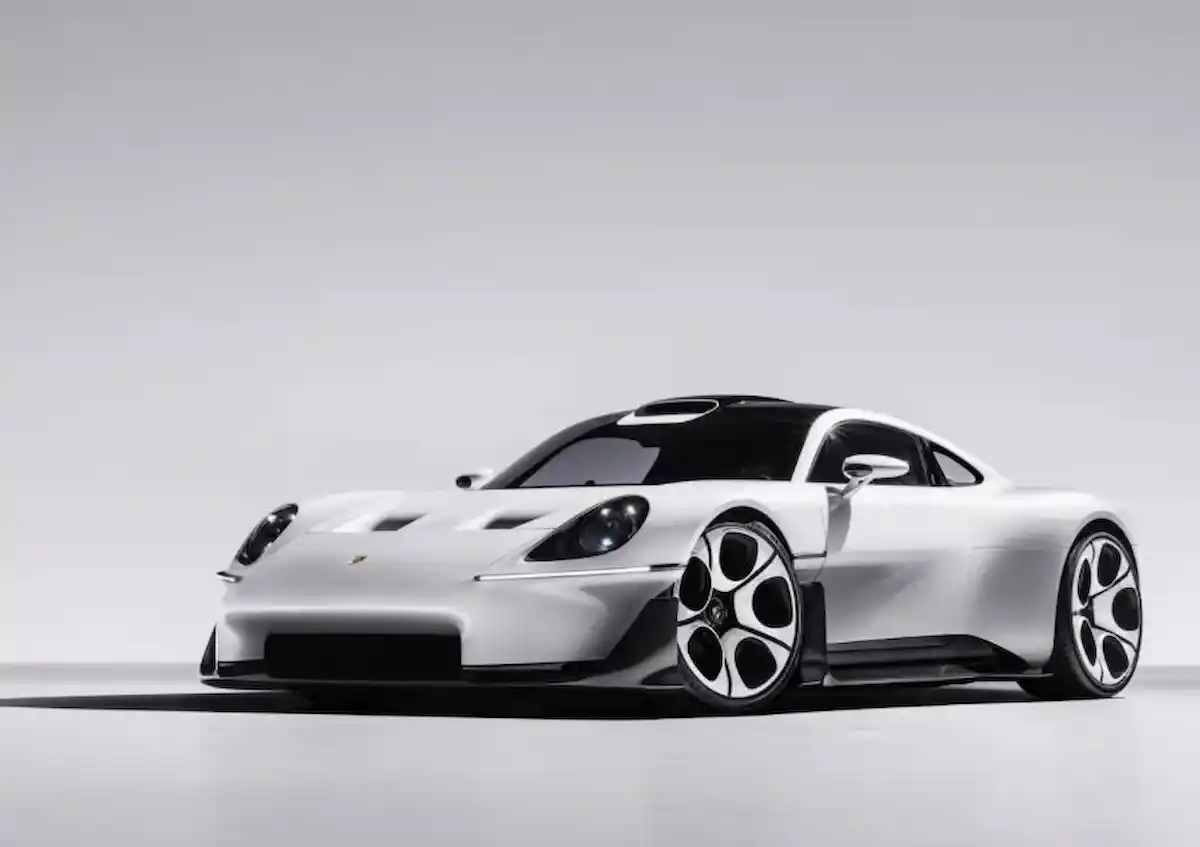
The Mission S draws on some of Porsche’s most recognizable road and racing cars, but it does not simply copy their designs. Instead, it borrows some of their iconic cues and infuses them seamlessly into a modern design that looks extremely good for the era we are in! Yes, this car has a mid-engined layout, and the entire bodywork has been designed around it.
The low nose, torpedo-shaped fenders and rounded headlights recall the 911’s unmistakable face. Other proportions and details reference the 959 and the GT1, while the rear design takes inspiration from Porsche’s motorsport history. The result looks unmistakably Porsche without feeling like a shouty retro tribute.
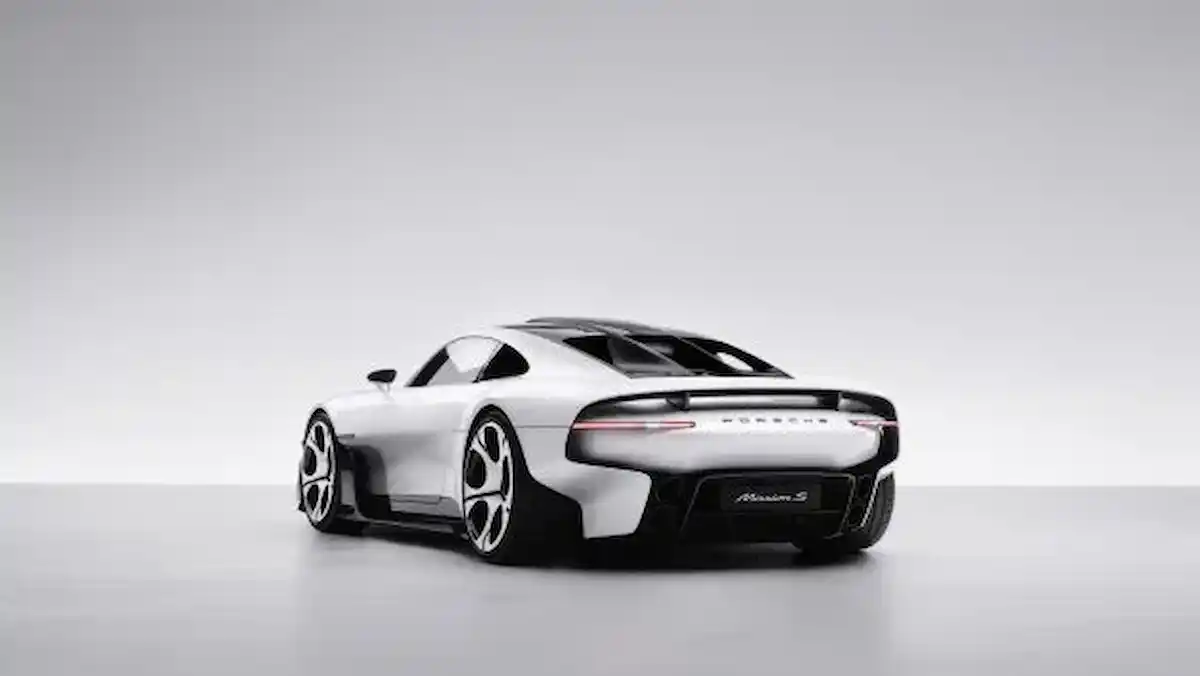
Porsche calls the concept’s design philosophy “Floating Volumes.” The idea is to make parts of the bodywork appear to hover above the car’s underlying structure. This approach is particularly noticeable at the rear, where the so-called “car-in-car concept,” inspired by the GT1, creates a distinct visual layer around the engine compartment.
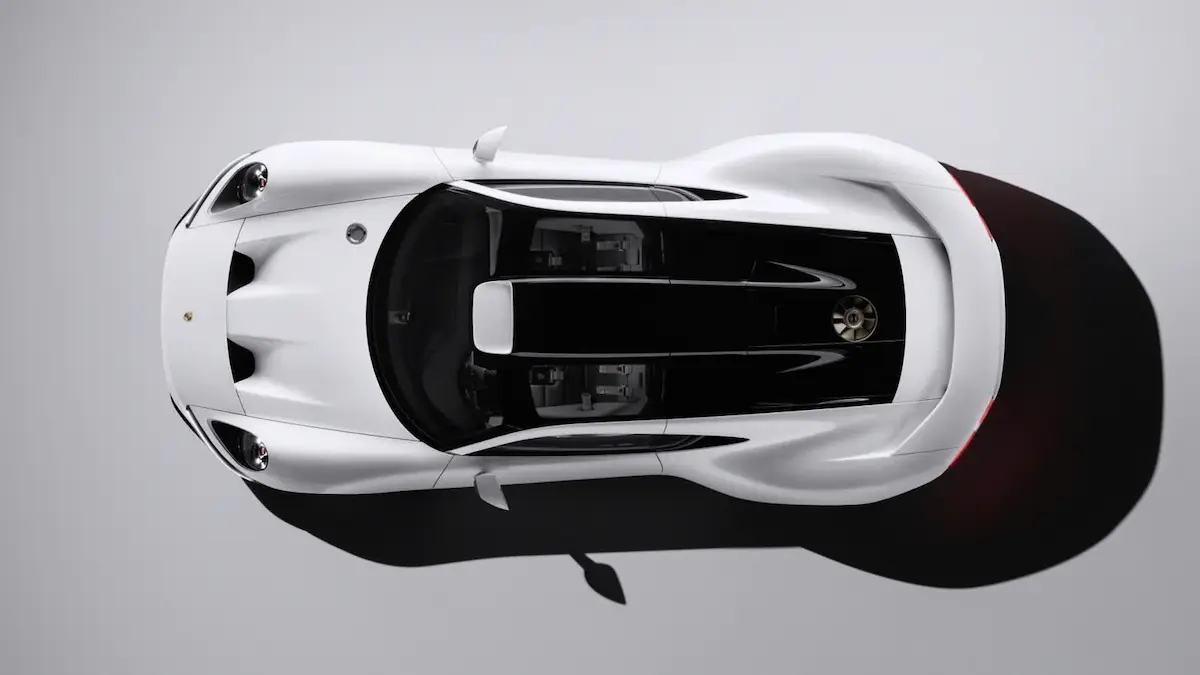
The mid-engined configuration helps establish the Mission S’s dramatic proportions. A continuous line linking the front and rear lighting elements ties the exterior together, while an active rear wing sits neatly above the sculpted rear section.
Every element has a purpose in the overall design. The Mission S looks aggressive without relying on excessive vents, oversized embellishments or unnecessarily complicated surfaces.
The Porsche 917 Connection Is A Brilliant Detail
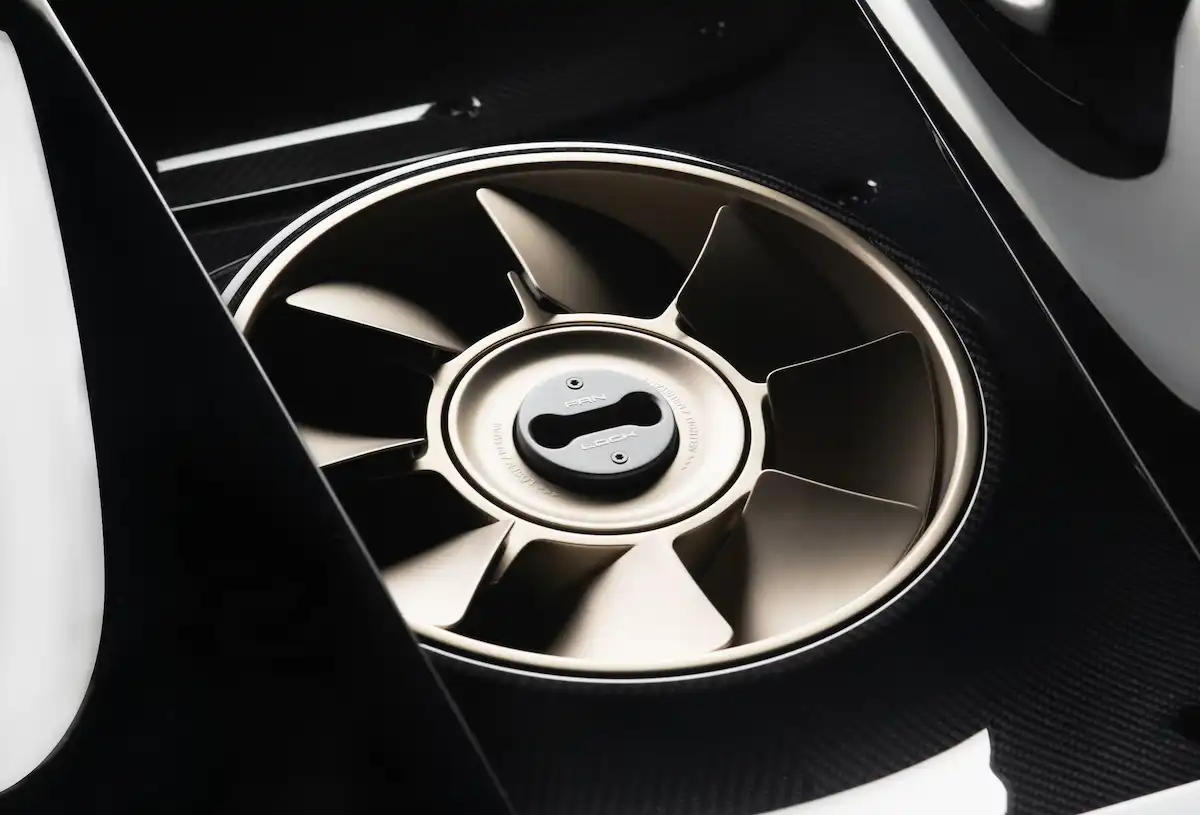
One of the Mission S’s most interesting design features sits near the engine bay. An exposed fan can be seen at the rear, just beneath the rear glass section. This draws inspiration from the legendary Porsche 917 race car. It does more than just add visual drama. This fan is a functional component and will likely play a key role in the car’s cooling system. Porsche hasn’t officially announced its functional details or specifications of the car’s cooling system. We have talked in detail about these in a previous story.
The wheels follow a different chapter of the brand’s history. Their lightweight design takes inspiration from the Porsche 928, showing that the Mission S draws from more than just its most famous sports cars.
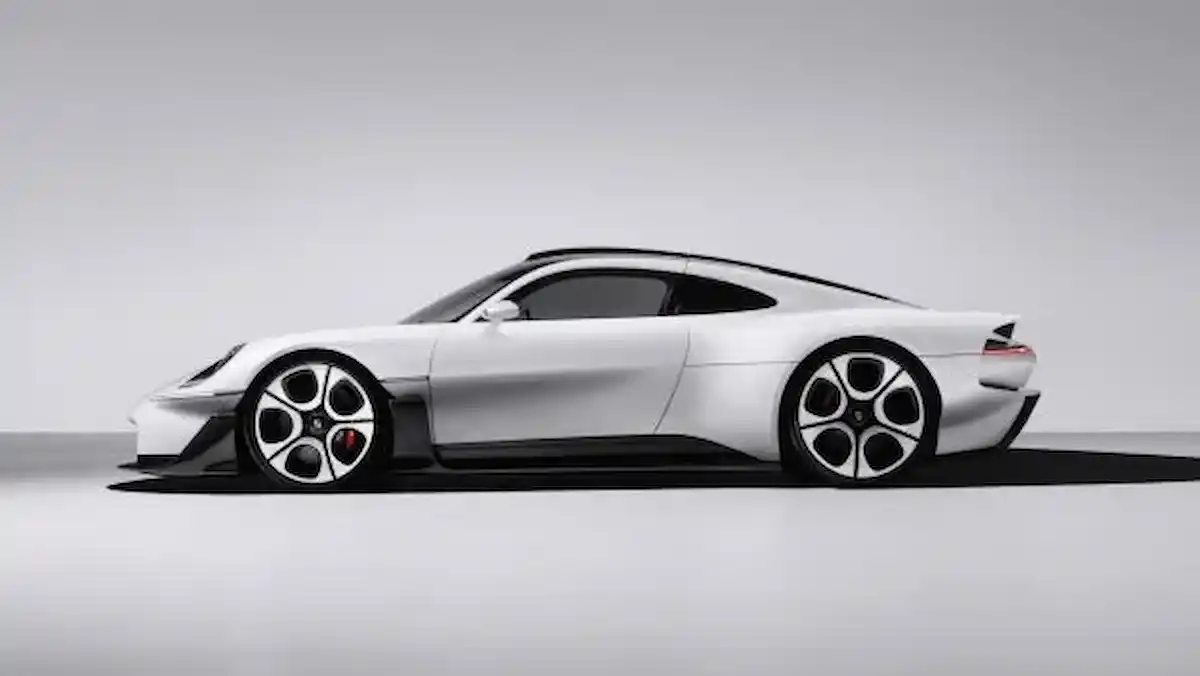
This mix of references is what makes this concept stand out. Porsche has selected details from different periods of its history and brought them together into a design that feels cohesive and is probably the most beautiful of our time.
As CEO Michael Leiters has explained, the objective was to make the car recognizable as a Porsche at first glance. The Mission S achieves that without merely repeating the familiar shape of the 911.
A Cockpit That Puts The Driver First
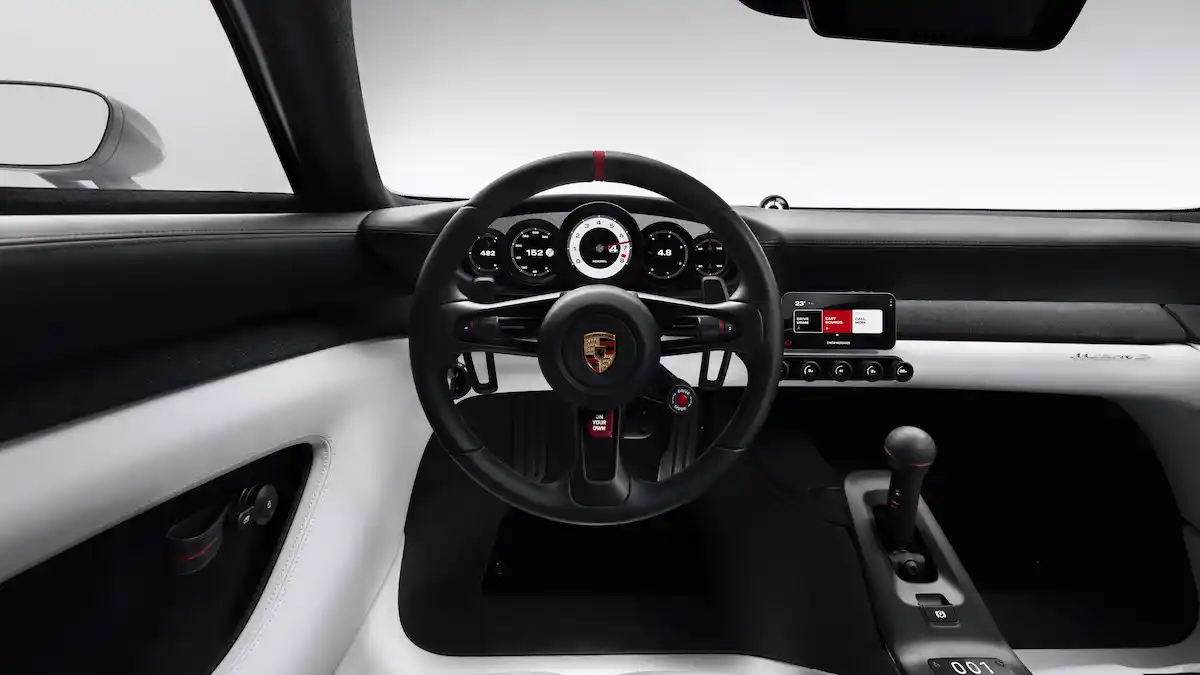
The Mission S’s cabin follows the same philosophy as its exterior. Instead of making large digital screens the centerpiece, Porsche has created a minimalist cockpit that places the driver at the center of the experience.
The interior draws inspiration from early Porsche sports cars, including the 550 Spyder and 356. Two defining lines stretch across the dashboard and continue into the doors, creating a wraparound cockpit that feels focused and purposeful.
Five round analog gauges sit behind the steering wheel, with an analog-style rev counter taking center stage. Digital displays remain part of the setup, but they sit behind the physical instruments, creating a layered, three-dimensional effect.
The instrument layout can also change with the selected driving mode. As shown in Porsche’s teaser video, the gauges can shift position, allowing the display to adapt to different driving settings.
This combination of analog and digital designs gives the cabin a distinctive character. It preserves the visual appeal of traditional sports-car instruments while allowing modern technology to handle the information presented to the driver.
Physical Controls Are Everything!
Porsche has resisted the temptation to stuff the cabin with screens- a trend that’s becoming increasingly common in most high-end cars. Physical buttons and switches remain central to the cabin. These even include the new push-pull controls for comfort and driving functions. The Sport Chrono clock also receives a fresh interpretation, combining analog and digital elements. No loss of character there either!
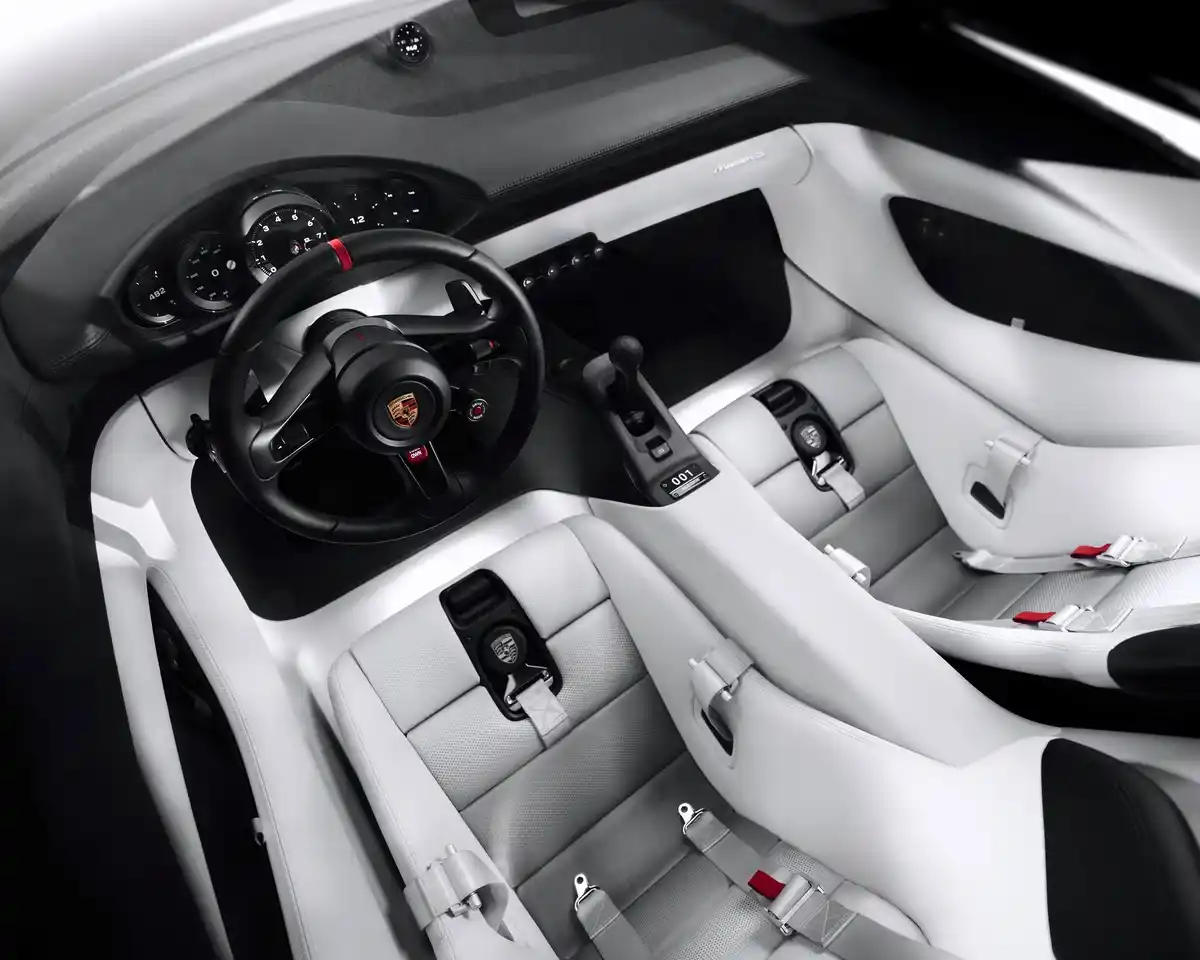
There is no dedicated central touchscreen or passenger display. Instead, a retractable smartphone holder with Apple MagSafe technology allows drivers to use their own phones for navigation and other information.
That decision gives the dashboard a cleaner appearance while keeping familiar controls within reach. It also reflects a different approach to in-car technology: rather than building the entire experience around large screens, Porsche has integrated digital functions into a cabin that still feels like a traditional sports car.
The white, gray and red color scheme adds another layer of heritage. Specially developed finishes connect the interior to Porsche’s motorsport history without overwhelming the minimalist design.
The Mission S Is Porsche’s Comeback Plan!
The Mission S is the first part of Porsche’s broader “Sportwagenschmiede ’35” strategy. Tobias Sühlmann, head of Style Porsche, says the concept demonstrates a design direction the company intends to carry into future production vehicles, especially the new supercar that would sit above the 911. It has not, however, announced technical specifications, performance figures, pricing or a production timeline for the Mission S.
What we do know is that the production-spec Mission S will have some heavy-lifting to do: bring more profits to Porsche! The carmaker intends to achieve higher profitability by selling fewer cars at a significantly higher price. We have talked in detail about this, here.
Why This Design Works So Well
The Mission S is probably the best design from Porsche in recent years. It worked because the company avoided two common mistakes: relying too heavily on nostalgia and embracing futuristic styling at the expense of brand identity. Porsche borrowed the right cues from the right models, in just the right amounts- and blended them into one beautiful, cohesive design.
The cohesive nature plays a key role in making this design win. No part of it looks disconnected from the rest of the bodywork. And more importantly, it looks unmistakably like a Porsche!
Add Vroom Head as a preferred source on Google News


