

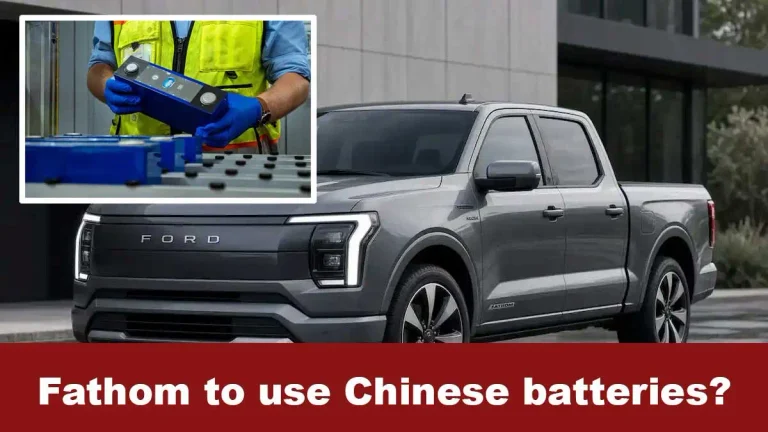
The Ford Fathom electric pickup will use battery technology from China’s CATL, but that does not mean the company will import finished battery packs from China. Ford is manufacturing the lithium iron phosphate (LFP) cells and assembling the battery packs at its BlueOval Battery Park Michigan using technology licensed from CATL. The first cells have already rolled off the production line and are being sent to Ford’s Louisville Assembly Plant, where they will power Fathom prototypes.
The arrangement is part of Ford’s strategy to reduce the cost and complexity of electric vehicles. The Fathom will be based on Ford’s Universal Electric Vehicle Platform and will use LFP prismatic cells. The carmaker believes this chemistry and format can deliver the required performance at a lower cost.
Ford Begins Producing CATL-Based LFP Battery Cells In Michigan
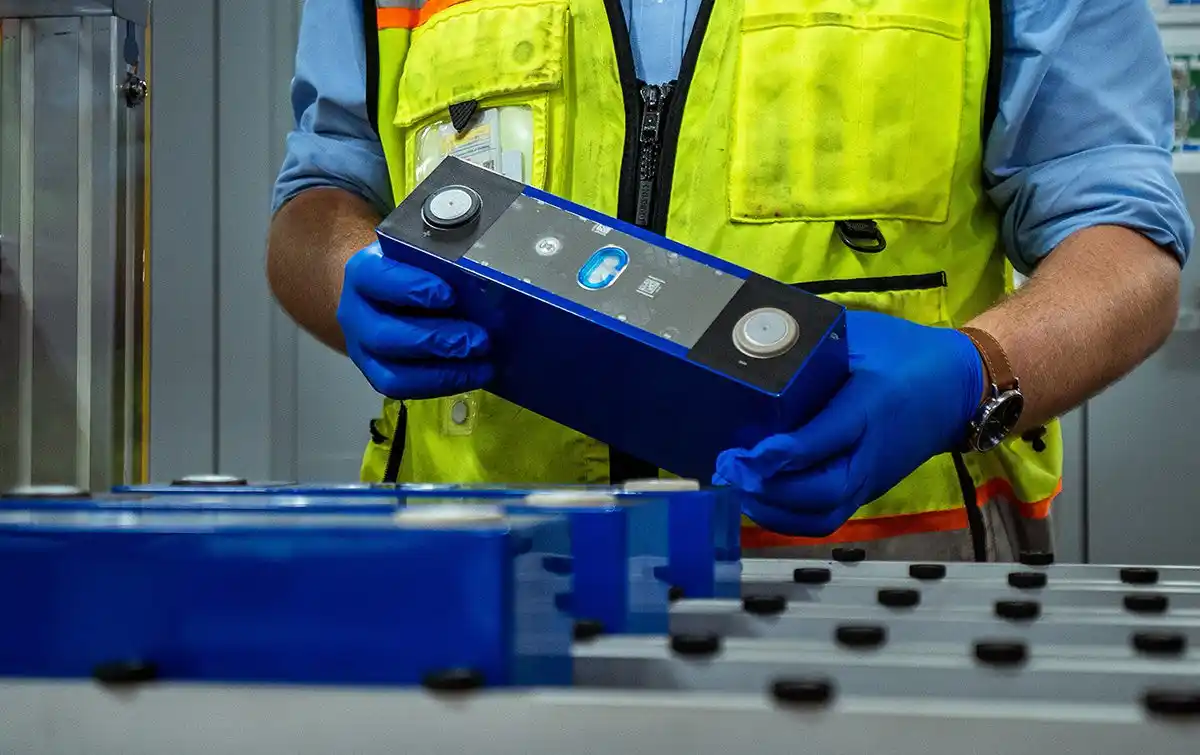
Ford selected CATL after evaluating battery manufacturers from around the world. It wanted a technology that had already proved itself in production, could be manufactured at scale and suited the requirements of the new electric vehicle platform.
“We talked to battery companies around the world. We wanted a technology that was proven in the field, ready to manufacture at scale and suited to what we were building,” Charles Poon, Ford’s vice president of hardware engineering, explained in a recent blog post. “That led us to battery manufacturer CATL, whose batteries power 30 million vehicles around the world.”
LFP chemistry is central to Ford’s cost-reduction strategy. Unlike nickel-based battery chemistries, it does not use nickel or cobalt, helping lower material costs. LFP cells also offer a long cycle life and will suit vehicles expected to undergo frequent charging and discharging.
However, Ford has focused on more than just the chemistry. A battery is among the biggest contributors to an electric vehicle’s cost and weight. Poon and his team therefore looked for ways to improve efficiency without simply increasing the number of cells.
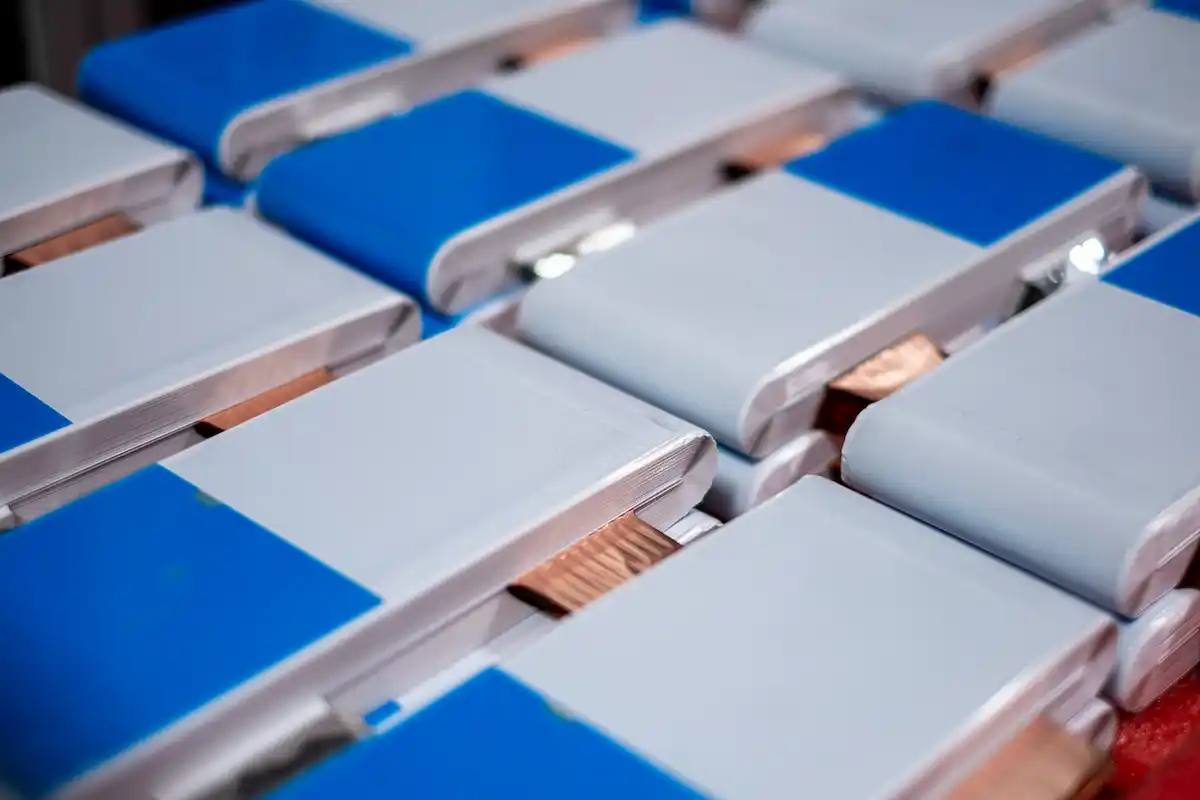
The carmaker chose rectangular prismatic cells because they can fit directly into the vehicle’s chassis. This allows the battery pack to serve as a structural component, reducing the need for additional supporting structures and helping cut weight and manufacturing costs.
Ford has also combined electrical and sensing connections into a flexible circuit board and integrated compact power electronics into the battery pack. The aim is to reduce the number of individual components and simplify assembly.
Poon summed up the engineering approach with a simple principle: “The best part is no part, and the second-best part is one that serves multiple purposes. Fewer parts mean less weight and simpler manufacturing.”
The production facility in Michigan can manufacture up to 40 battery cells per minute. The first batch is now headed to Louisville for prototype testing and further development. Ford plans to begin volume production at the Michigan battery plant in 2027, ahead of the Fathom’s market launch.
Ford Fathom: An Affordable Electric Pickup With Big Ambitions
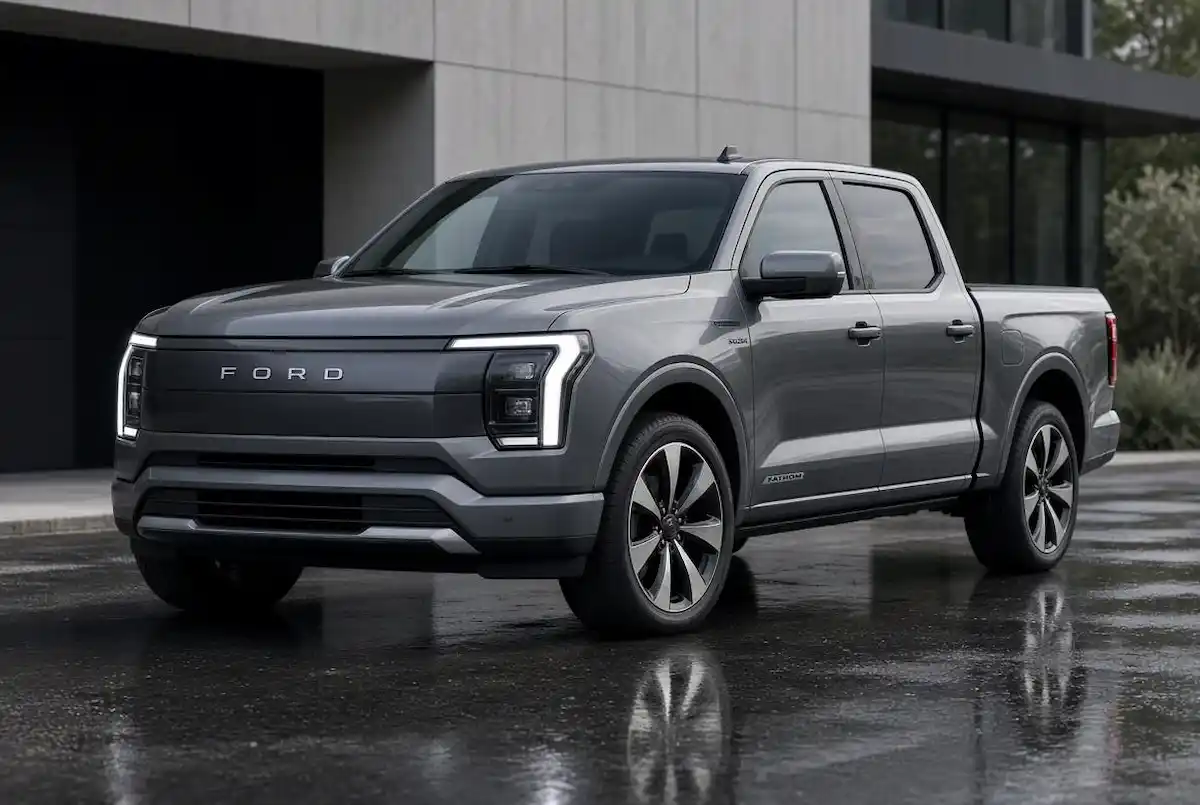
The Fathom is the first vehicle planned around Ford’s Universal Electric Vehicle Platform. The company wants it to make electric pickup ownership more accessible, with a starting price of $29,945, including destination and delivery charges.
Ford CEO Jim Farley recently drove a prototype undergoing testing in Louisville, Kentucky, and came away impressed with its performance, cabin space and driver assistance technology.
“Wow, it completely blew me away. The 0-to-60, huge room inside, and the hands-free ADAS experience was like something I’ve never experienced,” Farley said during Ford’s third-quarter 2026 earnings call.
Ford has not disclosed official acceleration figures, but it has previously said the pickup will be as quick as a Mustang EcoBoost. The rear-wheel-drive version is expected to offer an engaging driving experience, while an all-wheel-drive variant will also be available.

In terms of size, the Fathom is expected to have a footprint similar to the Ford Maverick. However, Ford says its cabin will offer more space than a Toyota RAV4. The company has yet to reveal the pickup bed dimensions or publish the complete technical specifications.
Pricing is expected to range from $29,945 to the high $30,000s, according to Ford President Andrew Frick. The entry price puts the truck just below $30,000 before taxes and other fees.
Ford is targeting buyers who might otherwise choose a used vehicle. Frick has pointed out that used cars account for around 50% of vehicle sales priced below $40,000, highlighting the size of the market the company wants to reach. Ford has set an ambitious first-year sales target of 100,000 Fathom units.
Production And Launch Timeline
Ford remains on track to begin Fathom production in the fourth quarter of 2027. Pre-orders are expected to open in the first quarter of that year, allowing interested buyers to register before manufacturing begins.
Production of the pickup and its battery packs will initially build gradually toward the end of 2027. Output is expected to increase during the first half of 2028, meaning availability could be limited in the early months. Ford may expand production further if demand is strong.

