

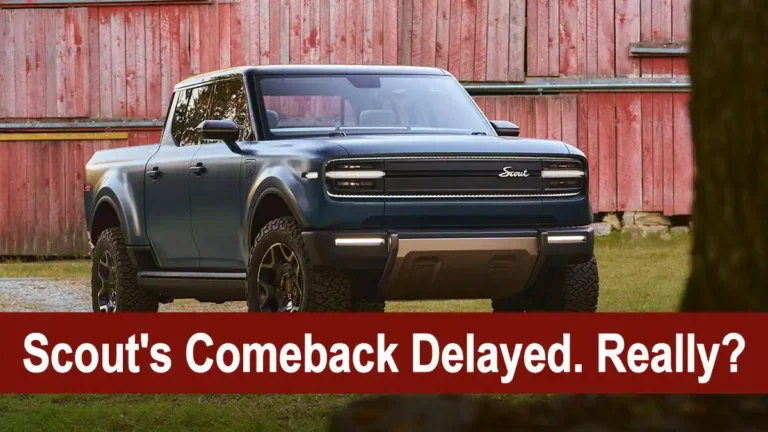
Scout Motors is reportedly pushing back its comeback by a year, with production now said to begin in mid-2028 instead of 2027. A report by Germany’s Der Spiegel magazine claims technical problems are to blame, though the company denies any delay. The publication says development hurdles are slowing the launch. Scout, however, insists its original timeline still stands. Notably, it hasn’t ruled out allegations of production hurdles.
Table of Contents
Scout Denies Any Delay
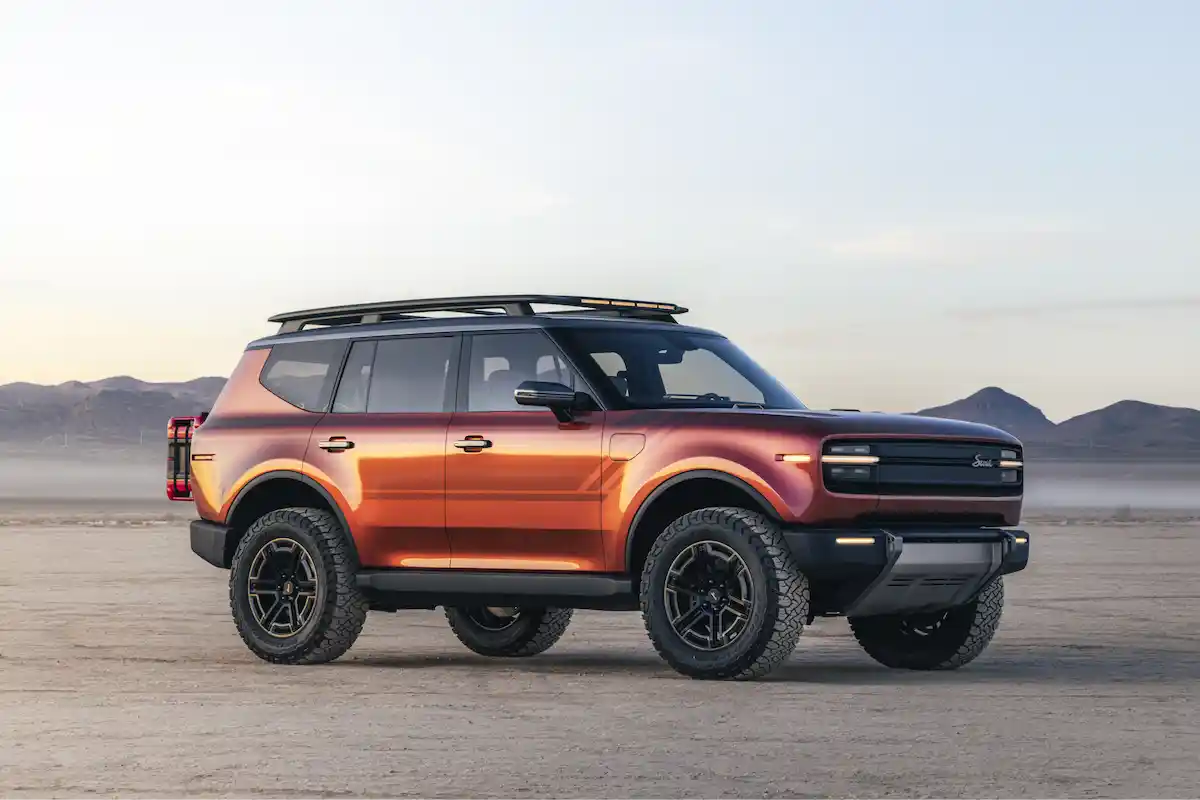
In comments issued to various publications, Scout Motors has denied any delay. Talking to Motor1, a Scout spokesperson said “We currently have no update to our timeline or product plan to share”.
Motortrend reports that they have been told thus: “When we revealed our concept vehicles we shared that we are targeting initial production to begin in 2027— and that customer deliveries would begin thereafter. That is still the case. We will begin producing initial validation vehicles in 2026. That effort will continue and mature into 2027. As with any ambitious project of this scale, there will be changes, but we are focused on delivering for the American consumer.”
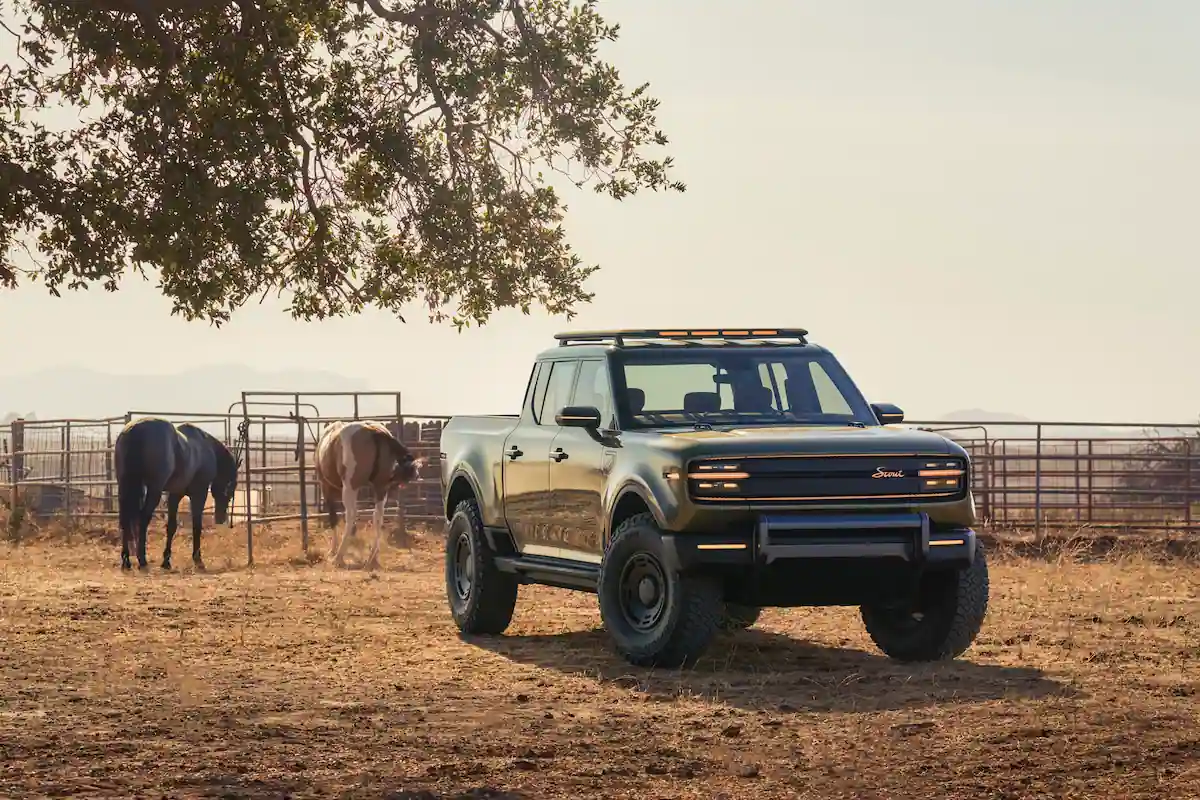
Jamie Vondruska, responsible for building the Scout community, gave a more elaborate response on the company’s official forum. “The German publications love their headlines and “sources say” articles – it all makes for good headlines people click on. We are still moving full steam ahead, bringing Scout back to market. Everything is moving forward and making good progress.”– Jamie noted.
Scout’s comeback isn’t easy. Developing two completely new vehicles, finding the right suppliers, and finally manufacturing them at a completely new plant- not an easy job. Jamie admits the same, and says that there could be potential delays, in which case, also promises to let the community as soon as possible.
The Return Of A Historic Brand
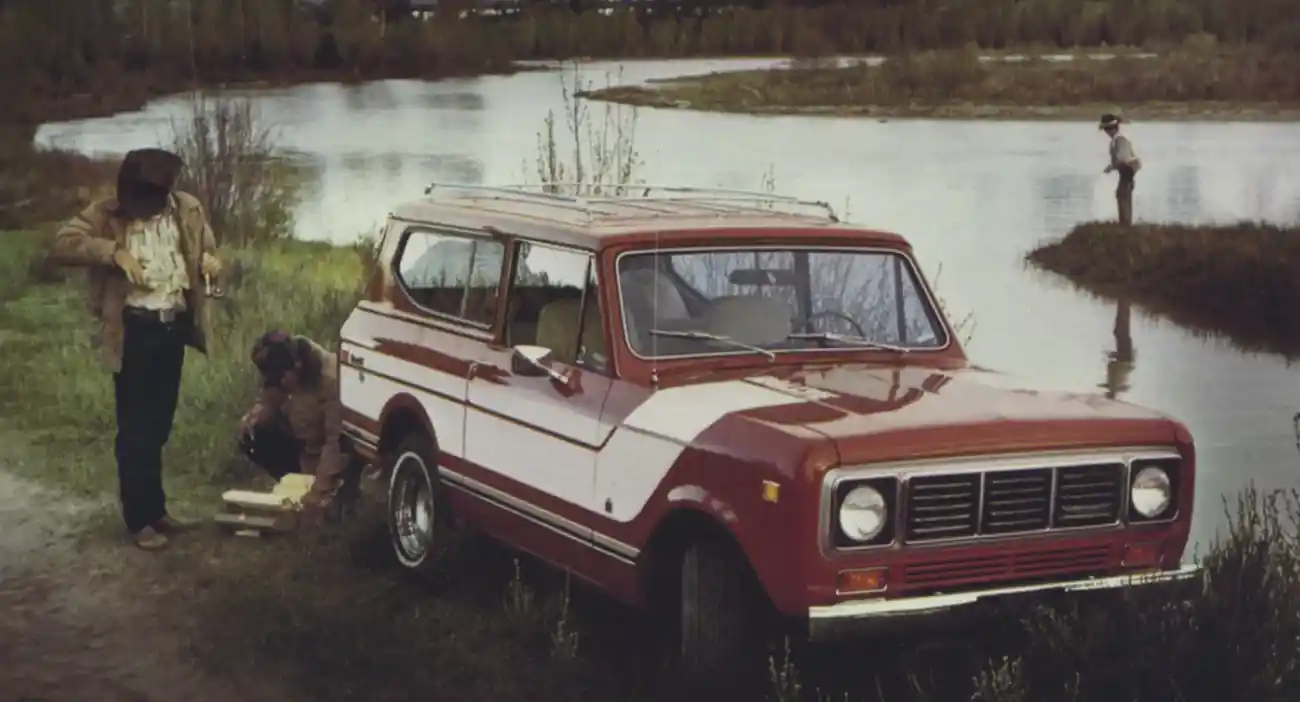
Volkswagen Group owns Scout and is relaunching it as a standalone electric and range-extended electric vehicle brand in the U.S.
The Scout name originally belonged to International Harvester before the brand was shut down decades ago. Now it is being revived with a modern electric focus.
The new company will be based in Charlotte, North Carolina. A new factory is under construction in Blythewood, South Carolina.
What Are These ‘Technical Issues’?
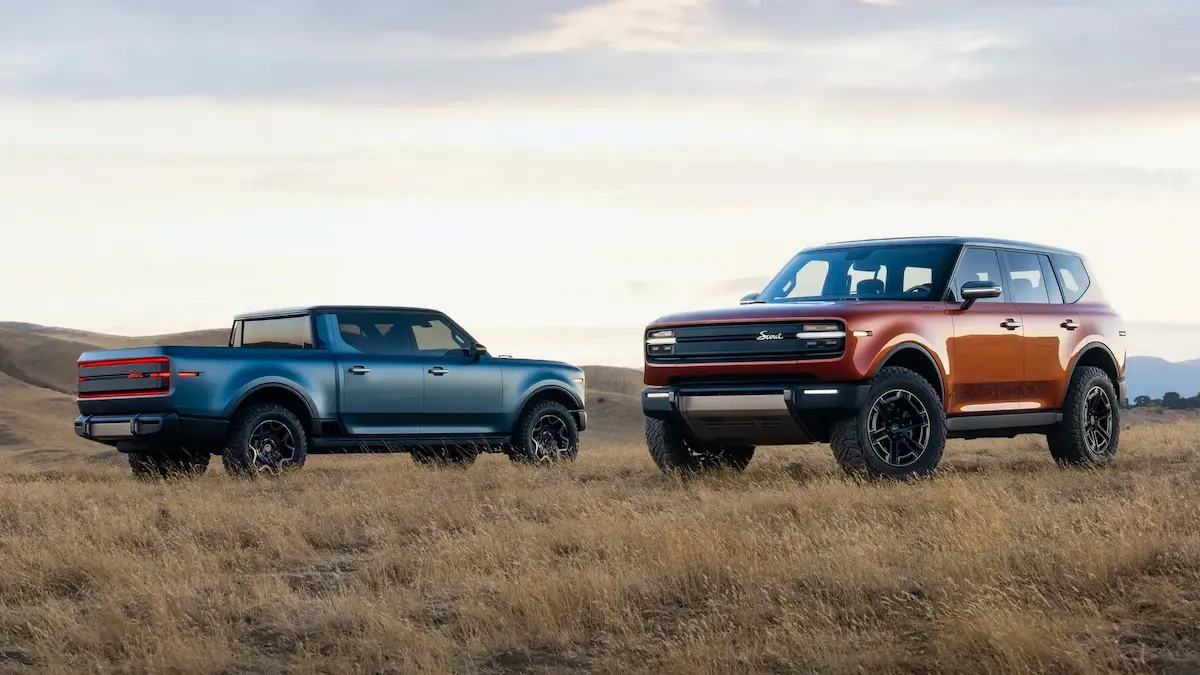
According to the German publication, the reported ‘technical issues’ center on the range-extended models. These will use a small gasoline engine mounted under the rear cargo area which will act as a generator to recharge the battery when it runs low. On paper, that sounds simple. In reality, it has proven far more complex. Both the Terra and Traveler will have both EV and range-extender (Harvester) forms.
Scout initially had plans to launch just electric versions first. But customer demand shifted the strategy. More than 80 percent of pre-orders reportedly chose the range extender. That forced the company to prioritize the EREV models instead.
Scout and parent company Volkswagen Group are relying heavily on their partnership with Rivian for the project. Rivian has developed its zonal electrical architecture and software systems for full EVs. Adapting these to work smoothly with a gasoline engine adds complexity. So supporting EREVs is not Rivian’s top focus. This reportedly slowed progress. Volkswagen’s software division, Cariad, has had to step in to help bridge the gap.
Remember the Porsche 911 T-Hybrid? It was the first Volkswagen Group vehicle to use Rivian-based tech. Engineers reportedly had to do significant extra work to make it function properly with a combustion engine. Scout models aren’t the first ones to face this hurdle.
Engineering Around An Engine That Wasn’t Supposed To Be There!
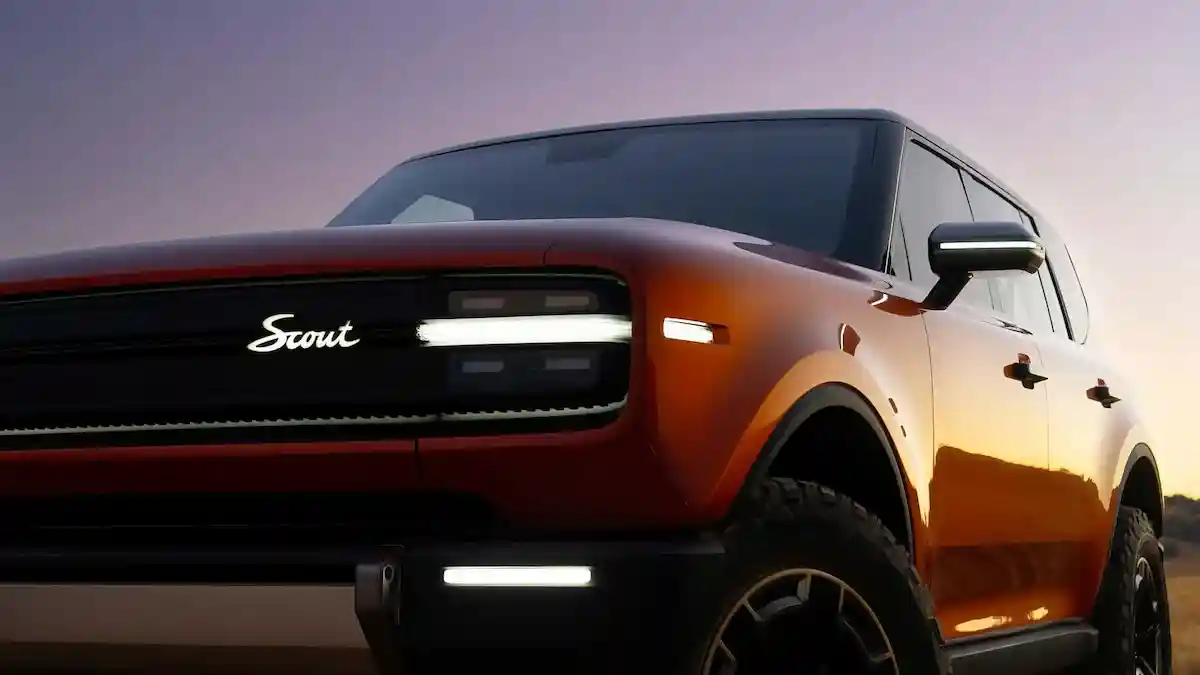
Since the Terra and Traveler were originally envisioned as EVs, no space was reserved for accommodating an engine. Stuffing one in later required creative engineering. Scout’s solution was to mount a four-cylinder engine sideways under the rear cargo floor or truck bed, behind the rear axle.
But the engine itself is only part of the story. Engineers also had to find room for cooling systems, exhaust routing, and a fuel tank. Packaging all of that into a vehicle not designed for the same is a serious challenge.
Weight is another problem. Even a small engine adds hundreds of pounds. Placing that weight at the rear changes balance and performance.
Scout CEO Scott Keogh confirmed on Jay Leno’s Garage that the Harvester models will tow far less than their EV counterparts. The EREV versions will be limited to 5,000 pounds. By comparison, the Terra EV can tow up to 10,000 pounds and the Traveler EV up to 7,500 pounds.
That drop is significant for truck buyers. Extra engine weight eats into Gross Vehicle Weight Rating and Gross Combined Weight Rating. It also affects payload and tongue weight, both critical for people who tow regularly.
There are also heat concerns. Isolating the passenger cabin and pickup bed from engine heat is proving difficult because of the unusual rear-mounted layout.
Money Pressures Inside Volkswagen Group
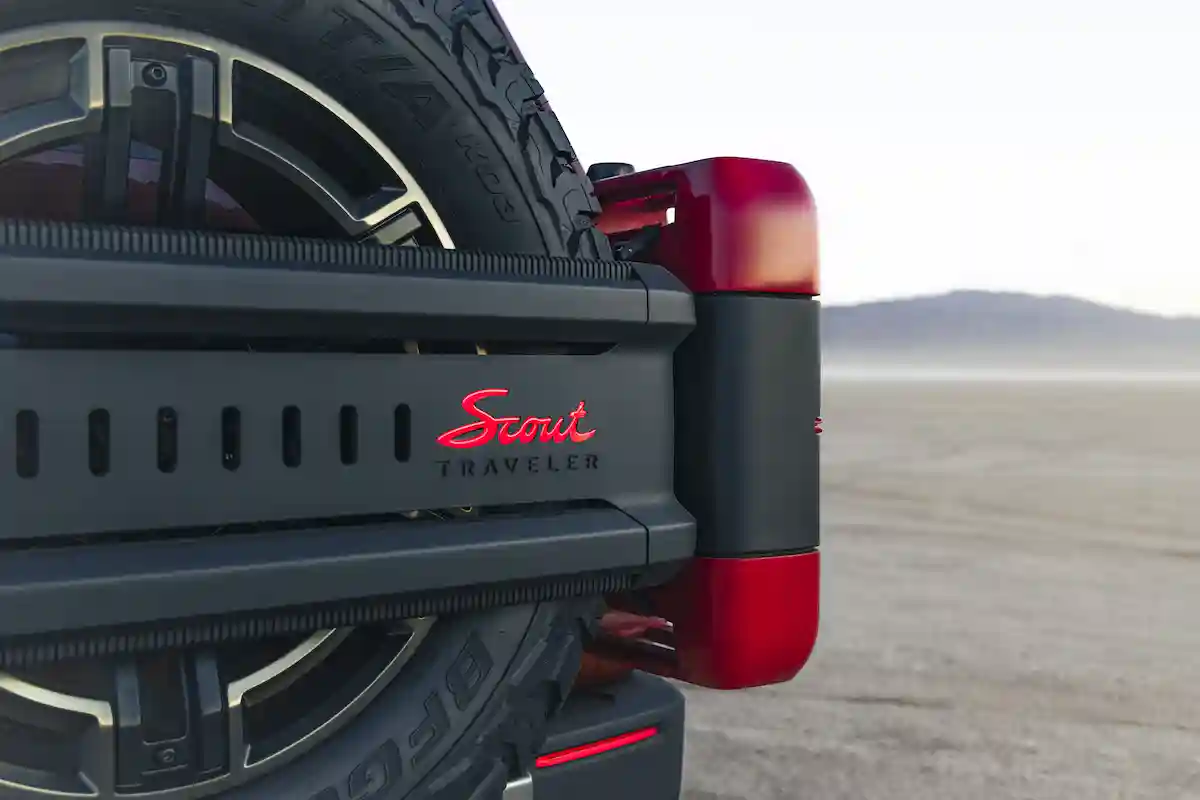
Launching Scout requires billions of dollars. A new headquarters in North Carolina and a factory in South Carolina are already in motion. The plant has capacity for 250,000 vehicles per year, which is more than Scout alone may need.
Inside Volkswagen Group, money is tight. The past two years have been financially difficult. In the U.S., brands like Audi and Porsche have faced pressure from unexpected tariffs. Group CEO Oliver Blume has warned of cost cuts. According to reports, some executives are concerned that Scout’s ambitious scale and spending may be too much at the wrong time.
An Audi model based on Scout’s platform is believed to be in development. That could help fill factory capacity. Still, concerns reportedly remain about whether the project is simply too big.
Competition Is Heating Up
Scout also no longer has the EREV space to itself. The Ram Ramcharger was announced earlier and is expected to go on sale before the Terra and Traveler. Meanwhile, Ford Motor Company has shifted strategy. It canceled the all-electric F-150 Lightning and confirmed it will move to a range-extended version instead.
Scout’s big advantage was timing and fresh branding. But technical challenges, financial pressure, and rising competition are all converging at once. The question now is whether Scout can solve the engineering puzzle fast enough to stay ahead. If not, we may have to wait till the summer of 2028 (mid-2028) for these to be out.


